
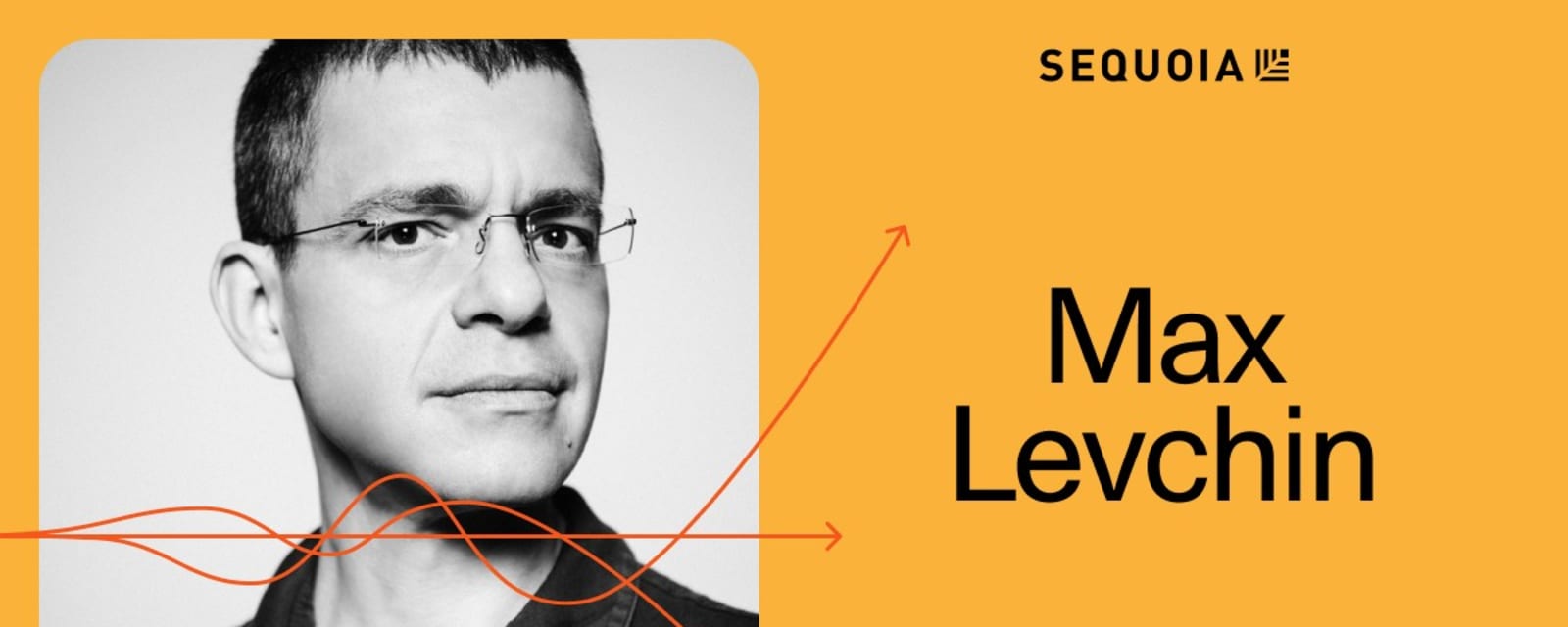
Key Takeaways
- • Confinity and X.com merged in early 2000 into the company that became PayPal, after a bitter rivalry over eBay payments users that threatened both with ruin, according to the Sequoia Capital podcast episode "Crucible Moments."
- • The merger was structured as a 50-50 split after X.com's initial 90-10 proposal in its favor was rejected; Max Levchin now says he would not recommend a 50/50 merger to anyone.
- • Peter Thiel was the key broker in the armistice between the two companies, as both faced high burn rates and tightening financing markets.
- • Michael Moritz, who sat on the X.com board for Sequoia, said the sensible path was to combine forces because each company was on "its own road to perdition."
- • The episode also highlights fraud-fighting measures born from the early crisis, which Levchin describes as a "survival moment" still in use today.
Summary
In a Sequoia Capital podcast episode titled "Crucible Moments," host Roelof Botha recounts how PayPal's early history was shaped by a merger between two competing startups. Confinity, co-founded by Peter Thiel and Max Levchin, and X.com, founded by Elon Musk, both built email-based money transfer products that gained traction among eBay buyers and sellers. Both companies were headquartered along University Avenue in Palo Alto and competed intensely, with the rivalry described by participants as a "blood feud."
The competition was costly. Both companies carried very high burn rates, and Thiel reportedly recognized that X.com's greater capital could allow it to win by sheer size, while the fight was damaging both businesses. Michael Moritz, the Sequoia partner who joined the X.com board, said that as financing markets tightened, each company was on its own path to ruin and combining forces was the sensible course.
Negotiations centered on ownership and control. According to Levchin, X.com's initial proposal was a 90-10 merger in its favor, which he found insulting because internal metrics suggested the two companies were roughly equal. Thiel countered, and Levchin left the final terms to his counterparts, which produced a 50-50 merger in early 2000. Levchin now says he does not recommend such a structure to anyone.
The podcast frames the merger as one of several crucible moments in PayPal's early years, alongside fraud challenges that Levchin described as a potential existential threat and a series of acquisition offers the team weighed. Botha, who joined PayPal in spring 2000 on a student visa, describes the early company as a rinky-dink operation working to stay alive.
Go deeper than the headline
Research every firm in this story, track the ones that matter and get the daily briefing — free for 7 days.