
Key Takeaways
- • Bain Capital Ventures' Ajay Agarwal backed Kiva Systems in 2004 when it had no revenue, no finished product, and no customers; Amazon later acquired Kiva for $775 million, and Bain told Fortune its initial investment generated a 26.6-fold return.
- • Robotics and physical AI startups raised $27.6 billion across 1,009 deals in 2025, more than double the prior year's total, according to PitchBook figures cited by Fortune.
- • Agarwal describes the current period as the "golden age of hardware and physical AI," citing stronger talent pools, lower component costs driven by smartphone and EV scale, and more capable AI models.
- • TerraFirma, a construction robotics company Bain first backed in 2024, announced a $100 million Series A led by Kleiner Perkins in July, with Bain investing again.
Summary
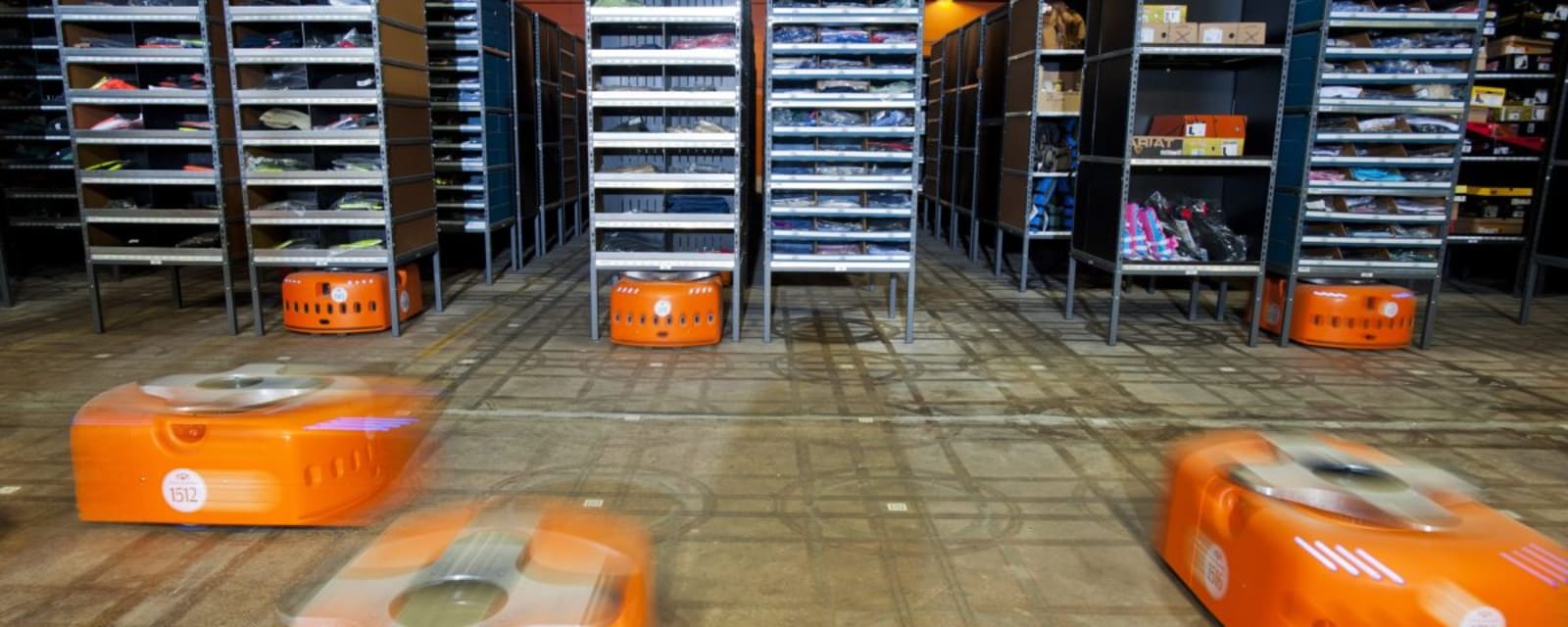
Bain Capital Ventures partner Ajay Agarwal's early bet on robotics is now being cited as a template for physical AI investing. According to Fortune, Agarwal backed Kiva Systems after meeting cofounder Mick Mountz in 2004, when the company had no revenue, no finished product and no customers. Mountz's pitch was to have robots bring warehouse shelves to workers rather than having workers walk the aisles. Bain's partners were initially skeptical, and Agarwal brought in Don Ralph, who ran North American e-commerce fulfillment for Staples, for additional due diligence. Bain later led Kiva's first funding round, Staples became its first customer, and Zappos, Gap and Zara followed. Amazon acquired Kiva for $775 million eight years later. Bain told Fortune its initial investment generated a 26.6-fold return.
Agarwal now argues the opportunity is broader. Fortune reports that robotics and physical AI startups raised $27.6 billion across 1,009 deals in 2025, more than double the previous year's total, per PitchBook figures. Bain was the first backer of TerraFirma, a construction robotics company whose founders, Noah Schochet and Noah McGuinness, came from SpaceX. In July, TerraFirma announced a $100 million Series A led by Kleiner Perkins, with Bain investing again. Agarwal also pointed to Physical Intelligence, founded by Berkeley roboticist Sergey Levine and former Google DeepMind researcher Karol Hausman, as evidence of talent flowing into the field.
Agarwal cited three drivers for the current momentum: talent, cheaper hardware and better AI. Many robot components have fallen sharply in cost as smartphone and electric vehicle makers buy cameras, sensors and batteries at scale, which he said makes the return on investment more compelling. He also argued that more advanced AI allows machines to handle novel real-world situations and edge cases. Agarwal framed the shift as partly a reaction to investor fatigue with two decades of workflow software, saying founders increasingly want harder, more ambitious problems.
Go deeper than the headline
Research every firm in this story, track the ones that matter and get the daily briefing — free for 7 days.