
Key Takeaways
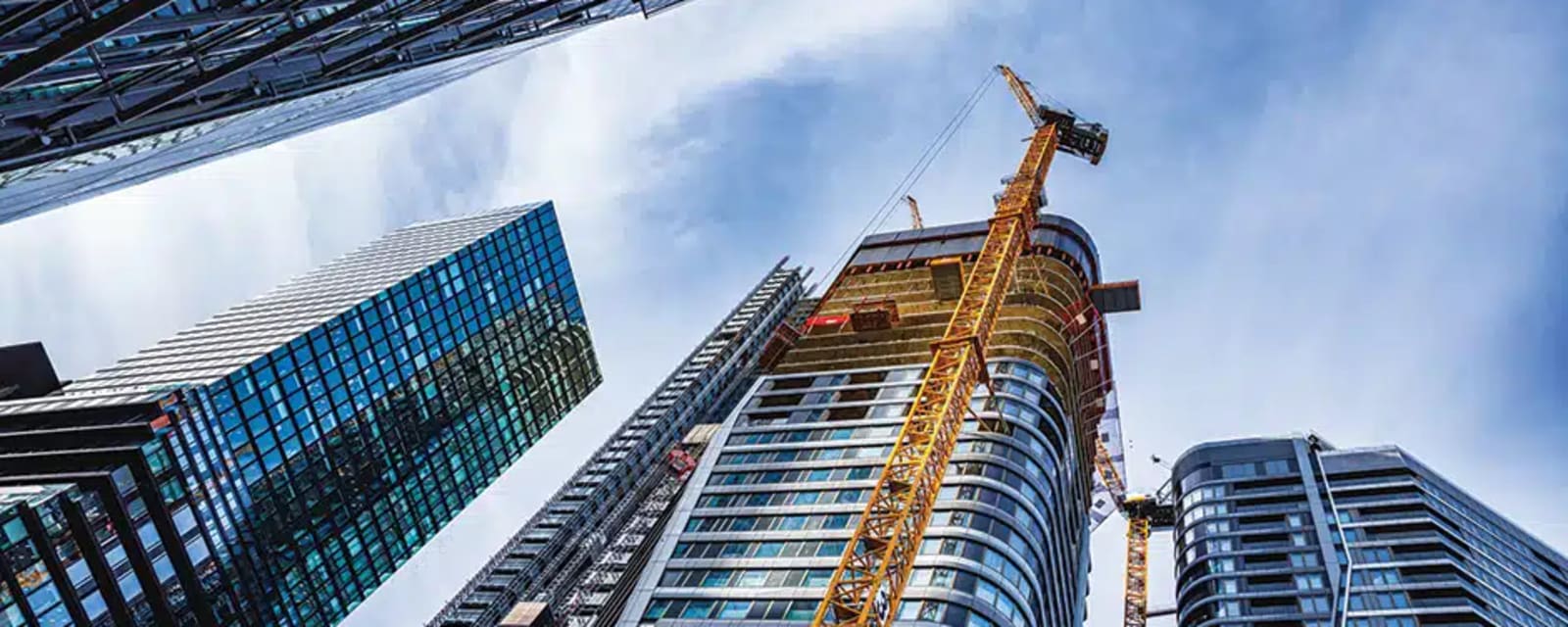
- • Office construction pipeline hits decade lows: The U.S. office construction pipeline has shrunk to 62.6 million square feet under construction—the lowest level since 2012 and more than 20% below previous historic lows set in 2011—signaling a dramatic pullback in new office development.
- • Transaction volume surges 42% in H1 2025: Office investment momentum strengthened significantly in the first half of 2025, with total transaction volume reaching $25.9 billion, up 42% year-over-year, driven primarily by lower interest rates and institutional capital returning to the sector.
- • Seven consecutive quarters of sales growth: U.S. office sales volume increased for seven consecutive quarters through Q4 2025, with full-year transaction volume growing 35%, marking the strongest sustained recovery since the pandemic downturn.
- • Leasing activity reaches post-pandemic highs: Q4 2025 established new post-pandemic highs in leasing activity with 5.2% year-over-year growth, while net absorption turned meaningfully positive in H2 2025 at 6.4 million square feet, signaling genuine occupancy demand stabilization.
- • Large-scale transactions accelerate: Companies are executing increasingly confident long-term workplace commitments, with large-scale transactions rising roughly 15% year-over-year, and downsizing activity for larger expirations falling to negligible levels—indicators of an emerging expansionary cycle in office demand.
Summary
The U.S. office market experienced a dramatic contraction in the construction pipeline during 2025, reaching the lowest activity level in a decade despite broader market stabilization and renewed investor interest. According to market data, the construction pipeline has descended to just 62.6 million square feet currently under development—the lowest point since 2012 and representing more than a 20% decline below the previous historic low recorded in 2011. This construction collapse reflects years of underinvestment and market hesitation following the pandemic-driven office disruptions of 2020–2024.
However, this supply-side contraction coincided with a powerful resurgence in office investment capital and transaction activity. JLL's analysis of the first half of 2025 revealed that office transaction momentum strengthened significantly, with total industry volume reaching $25.9 billion, a 42% year-over-year increase. More notably, JLL's own office sales transactions volume doubled year-over-year from H1 2024 to H1 2025—more than double the momentum of any other major property type, including the increasingly competitive data center sector. This investor momentum was primarily propelled by lower interest rate expectations, prompting the market transition from "office curious" to "office serious" sentiment among institutional capital allocators.
The sustained recovery extended through year-end 2025. U.S. office sales volume increased for seven consecutive quarters, with full-year 2025 transaction volume growing 35% compared to 2024. Q4 2025 specifically established new post-pandemic highs in leasing activity, with annual leasing growth reaching 5.2% year-over-year. Most significantly for lease fundamentals, net absorption turned meaningfully positive in the second half of 2025, resulting in 6.4 million square feet of occupancy gains for the year—the first substantial positive absorption since the pandemic disruption began.
Corporate behavior further signaled genuine office market stabilization. Large-scale transactions increased approximately 15% year-over-year as companies demonstrated increased confidence in executing long-term workplace commitments. Concurrently, downsizing activity associated with large expirations declined to negligible levels, suggesting companies were no longer aggressively shedding office space and were instead beginning a new expansionary cycle. While distress levels remained elevated through much of 2025, they tentatively declined in the final two months of the year, indicating potential stabilization in legacy problem assets.
Looking forward to 2026, the office sector is positioned as a transitional year following the stress and slow stabilization that characterized 2025. The combination of record-low construction inventory, positive occupancy gains, strong transaction momentum, and renewed institutional capital interest suggests the office market may be entering an early-cycle recovery phase, with high-quality assets potentially becoming increasingly sought-after by alternative investment managers and institutional investors positioned to capitalize on the cycle turn.
However, this supply-side contraction coincided with a powerful resurgence in office investment capital and transaction activity. JLL's analysis of the first half of 2025 revealed that office transaction momentum strengthened significantly, with total industry volume reaching $25.9 billion, a 42% year-over-year increase. More notably, JLL's own office sales transactions volume doubled year-over-year from H1 2024 to H1 2025—more than double the momentum of any other major property type, including the increasingly competitive data center sector. This investor momentum was primarily propelled by lower interest rate expectations, prompting the market transition from "office curious" to "office serious" sentiment among institutional capital allocators.
The sustained recovery extended through year-end 2025. U.S. office sales volume increased for seven consecutive quarters, with full-year 2025 transaction volume growing 35% compared to 2024. Q4 2025 specifically established new post-pandemic highs in leasing activity, with annual leasing growth reaching 5.2% year-over-year. Most significantly for lease fundamentals, net absorption turned meaningfully positive in the second half of 2025, resulting in 6.4 million square feet of occupancy gains for the year—the first substantial positive absorption since the pandemic disruption began.
Corporate behavior further signaled genuine office market stabilization. Large-scale transactions increased approximately 15% year-over-year as companies demonstrated increased confidence in executing long-term workplace commitments. Concurrently, downsizing activity associated with large expirations declined to negligible levels, suggesting companies were no longer aggressively shedding office space and were instead beginning a new expansionary cycle. While distress levels remained elevated through much of 2025, they tentatively declined in the final two months of the year, indicating potential stabilization in legacy problem assets.
Looking forward to 2026, the office sector is positioned as a transitional year following the stress and slow stabilization that characterized 2025. The combination of record-low construction inventory, positive occupancy gains, strong transaction momentum, and renewed institutional capital interest suggests the office market may be entering an early-cycle recovery phase, with high-quality assets potentially becoming increasingly sought-after by alternative investment managers and institutional investors positioned to capitalize on the cycle turn.
Go deeper than the headline
Research every firm in this story, track the ones that matter and get the daily briefing — free for 7 days.