
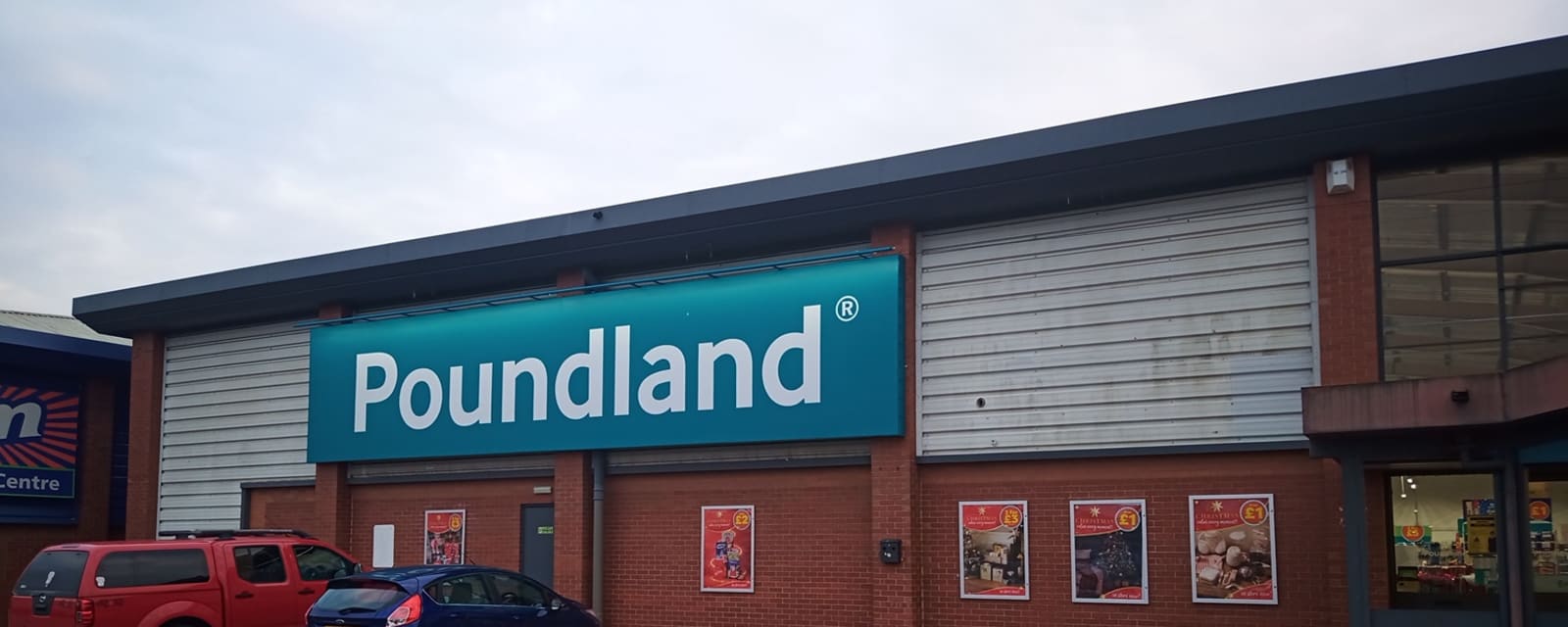
Key Takeaways
- • Prem Sikka, Emeritus Professor of Accounting and Labour member of the House of Lords, argues in Left Foot Forward that the closure of around 600 Poundland shops will cost about 11,000 direct jobs, with further losses in the supply chain.
- • Gordon Brothers, a US private equity firm, bought Poundland for £1 in June 2025 and, during its 17-month ownership, extracted £18.3m in debt interest, store closure fees, debt arrangement fees and other charges, according to the article.
- • Poundland's share capital was only £142.85 under Gordon Brothers, while about £120m of debt (around £30m shareholder loans and £90m asset-backed debt) ranked ahead of unsecured creditors, who are owed £127m including £16.7m to HMRC.
- • The article calls for regulating shadow banking with capital adequacy tests, restricting interest tax relief, a 20% withholding tax on payments to low-tax jurisdictions, a fit-and-proper person test for acquisitions, and a ban on private equity in essential services.
- • The author cites 1,751 major private equity deals in 2025 versus 1,699 in 2024 and roughly 13,000 UK businesses backed by private equity and venture capital, though this is an opinion piece and its claims are not independently verified here.
Summary
Left Foot Forward published a commentary by Prem Sikka arguing that the collapse of Poundland, which is closing around 600 shops and cutting about 11,000 direct jobs, shows the damage private equity inflicts on the UK retail sector. The author links the business to a wider pattern, noting that about 662,000 retail jobs have disappeared since the 2008 financial crisis and that private equity-owned firms such as Debenhams, HMV, Toys R Us and Thomas Cook have failed.
According to the article, Gordon Brothers bought Poundland for £1 in June 2025. Under its ownership the company extracted £18.3m through debt interest, store closure fees, debt arrangement fees and other charges. A court-approved restructuring plan envisaged closing 200 stores with the loss of 2,000 jobs. Staff numbers reportedly fell from 16,214 in September 2024 to 14,417 a year later and to about 11,000 before administration.
The author argues that the capital structure left unsecured creditors exposed. Share capital was just £142.85, while roughly £30m of shareholder loans (about £22.5m owed to Gordon Brothers) and £90m of asset-backed debt from banks ranked ahead of suppliers, who are owed £127m according to the last filed accounts at Companies House. The article also notes that Gordon Brothers is based in Delaware, which does not require private companies to publish financial statements.
The piece broadens its argument to the sector as a whole, citing claims that private equity accounts for 60% of US manufacturing bankruptcies and that the UK is moving in the same direction. It names ASDA, Morrisons, Thames Water, and private equity holdings in hospitals, care homes and water, and asserts that profit margins in some NHS-funded services are high. It also criticises the reduced rate for private equity carried interest, which the article says costs about £500m a year.
The author's proposals include extending regulation to shadow banking, replacing "members" with "stakeholders" in Section 172 of the Companies Act 2006, requiring employee-elected directors at large companies, restricting interest tax relief to 30% of EBITDA, imposing a 20% withholding tax on payments to low-tax jurisdictions, applying fit-and-proper tests to acquisitions, and banning private equity from essential services. The article is opinion and advocacy; its figures are presented as the author's claims.
Go deeper than the headline
Research every firm in this story, track the ones that matter and get the daily briefing.