
Key Takeaways
- • Jefferies Global Co-Head of Metals & Mining Michael Willoughby said private equity funding for mining is likely to remain limited, describing the sector as comparatively small for private equity versus other industries due to volatility and lack of cash flow to service capital.
- • Willoughby argued private equity works best in hybrid form, sitting between pure equity and pure debt through preferred equity or subordinated debt with warrants, often alongside strategic equity backers.
- • Argonaut Executive Chairman Edward Rigg attributed the underdeveloped private equity market to mining companies listing on the ASX too early, before building businesses with patient private capital.
- • Traxys CEO Mark Kristoff said the biggest challenge is the duration of capital commitment, as mining cyclicality does not fit defined, limited investment or exit periods.
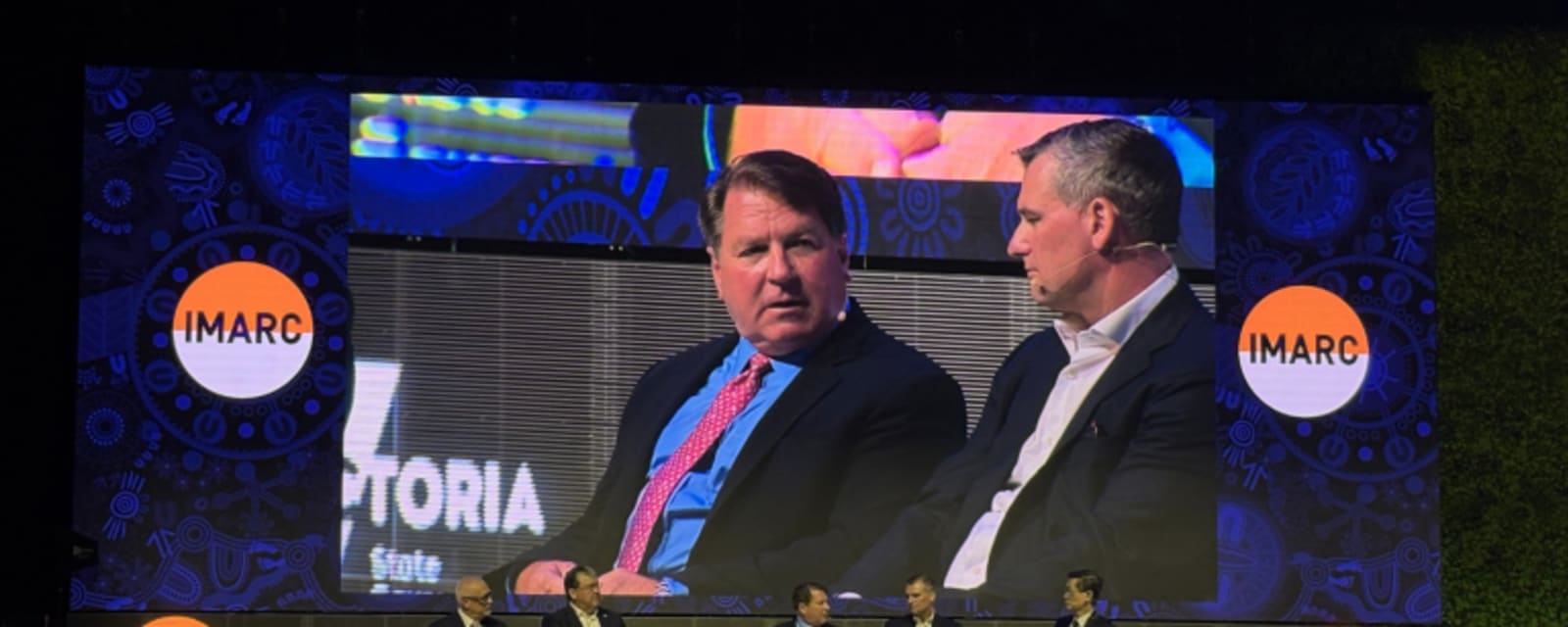
- • The panel was held on 28 October at the International Mining and Resources Conference + Expo (IMARC) in Sydney, moderated by EMR Capital CEO Jason Chang.
Summary
Private equity's role in mining financing was debated on 28 October at the International Mining and Resources Conference + Expo (IMARC) in Sydney, according to Mining.com.au. In a keynote panel moderated by EMR Capital CEO Jason Chang, Jefferies Global Co-Head of Metals & Mining Michael Willoughby said private equity funding for the sector is likely to stay limited. He noted that private equity is very large in other sectors but comparatively small in mining, because the industry is volatile and capital is often needed where there is no cash flow to service it.
Willoughby said the most effective use of private equity in mining is increasingly hybrid structures that sit between pure equity and pure debt. Such capital can fill funding gaps as part of a broader solution that brings in strategic equity backers, for example through preferred equity or subordinated debt with warrants. He also argued private equity is unlikely to become a major funding source because its capital often comes from the same pools as public equity markets, which dislike capital intensity and volatile cash flows. He linked this to Western markets carrying a higher cost of capital than emerging markets.
Argonaut Executive Chairman and Head of Corporate Finance Edward Rigg offered a different explanation, arguing the private equity market is underdeveloped because mining companies list on the Australian Securities Exchange too early. Rigg said many companies are moving straight to an ASX listing rather than building their businesses with private equity support, describing some as incorporated only two months earlier with options over a few projects. Argonaut has set up a private equity fund aimed at taking a patient approach with companies that have been through multiple financial cycles.
Traxys CEO Mark Kristoff, who said he has worked with private equity partners for 20 years, identified the duration of capital commitment as the main obstacle. Mining cyclicality does not suit defined, limited investment or monetisation periods, he said, which can leave private equity firms buying when they should sell and selling when they should buy. Kristoff said dedicated private equity funds with a deep understanding of metals and critical minerals cyclicality can help, but they require long-duration capital.
Mining.com.au is a media partner of IMARC, which runs 27-29 October at the International Convention Centre in Sydney.
Go deeper than the headline
Research every firm in this story, track the ones that matter and get the daily briefing — free for 7 days.