
Key Takeaways
- • The Trump administration is actively blocking state-level AI regulation, with the White House intervening to halt Utah's child safety protocol requirement for AI companies, arguing that fragmented state rules could impede American competitiveness against China.
- • Over 1,000 state legislative proposals addressing AI regulation are currently in play across the country, reflecting growing public and political concern about the technology's economic and societal impact in the absence of federal standards.
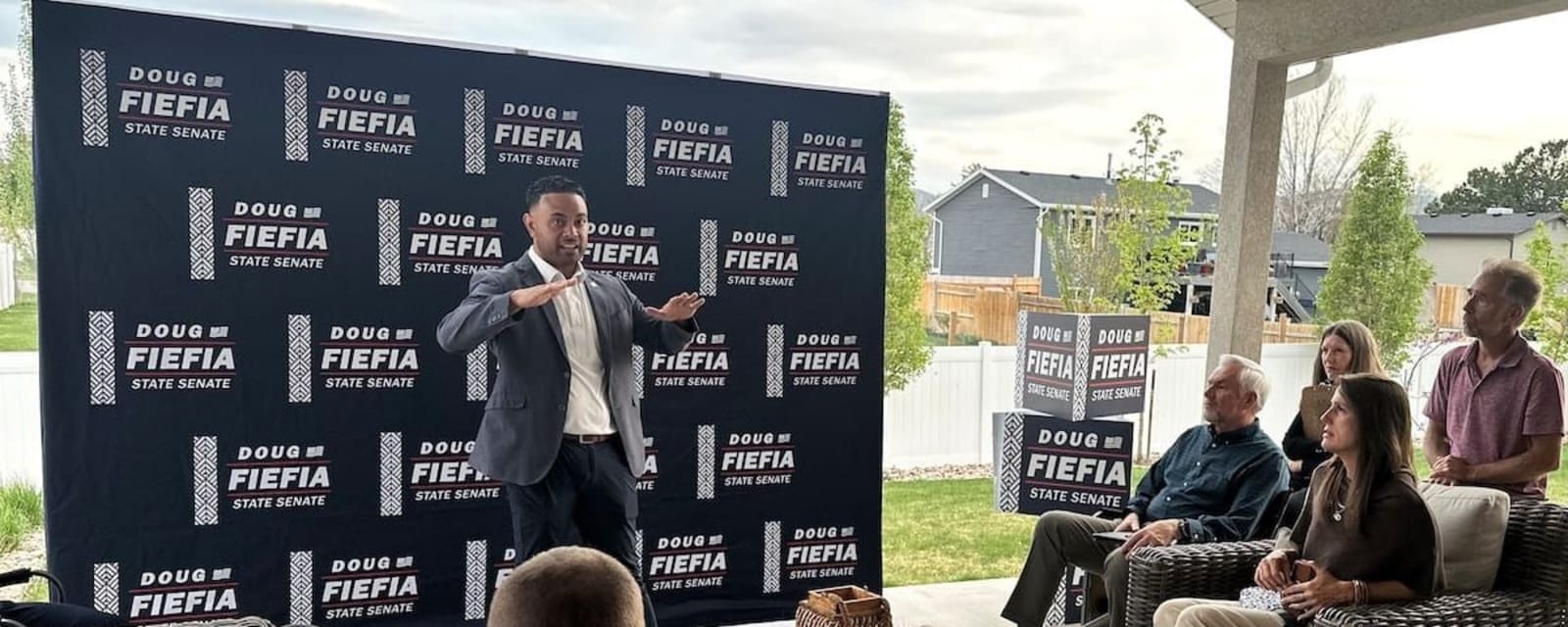
- • Republican state lawmakers including Doug Fiefia (Utah state representative and former Google employee) are defying Trump's federal preemption push, positioning AI regulation as a core campaign issue despite White House pressure.
- • The regulatory stalemate reflects a fundamental divide: the Trump administration seeks a single national standard for AI, while Congress remains gridlocked and state legislatures move forward independently with disparate rules.
- • States including Florida (under Gov. Ron DeSantis) and New York have already enacted or proposed AI-specific legislation, demonstrating that state-level action is proceeding regardless of federal opposition.
Summary
A regulatory standoff is crystallizing around artificial intelligence governance, with the Trump administration pushing for federal preemption of state-level AI rules while facing resistance from Republican and Democratic lawmakers determined to act independently. The White House has taken direct action to block state proposals, most notably intervening to prevent Utah from implementing child safety protocol requirements for AI companies. Administration officials argue that a patchwork of state regulations could handicap American innovation in global competition with China, necessitating a unified national framework.
However, state legislators are proceeding with their own regulatory initiatives despite federal opposition. Doug Fiefia, a Utah state representative and former Google employee running for state senate, has made AI regulation a centerpiece of his campaign, positioning himself directly against Trump administration policy. According to reporting from the Associated Press, Fiefia has stated that AI regulation represents the most significant policy challenge ahead, signaling that the issue transcends traditional party lines and reflects genuine constituent concern about the technology's societal implications.
The scope of state-level activity underscores the regulatory vacuum at the federal level. More than 1,000 legislative proposals addressing AI have been introduced across state legislatures, a volume that reflects widespread uneasiness about a technology poised to reshape the economy. Notable examples include Florida Governor Ron DeSantis's decision to add AI regulation to a special legislative session scheduled for later in April 2026, and New York's existing requirement that major AI developers report dangerous incidents to state authorities. This fragmented approach contradicts Trump administration objectives for federal standardization, establishing a conflict that will likely persist given Congress's continued gridlock on comprehensive AI legislation.
The tension between federal preemption efforts and state legislative momentum creates uncertainty for technology companies operating across multiple jurisdictions and for investors monitoring regulatory risk in the AI sector. With no federal consensus emerging and state action accelerating, institutional investors should anticipate continued regulatory fragmentation and compliance complexity in AI-related investments.
Go deeper than the headline
Research every firm in this story, track the ones that matter and get the daily briefing — free for 7 days.