
Key Takeaways
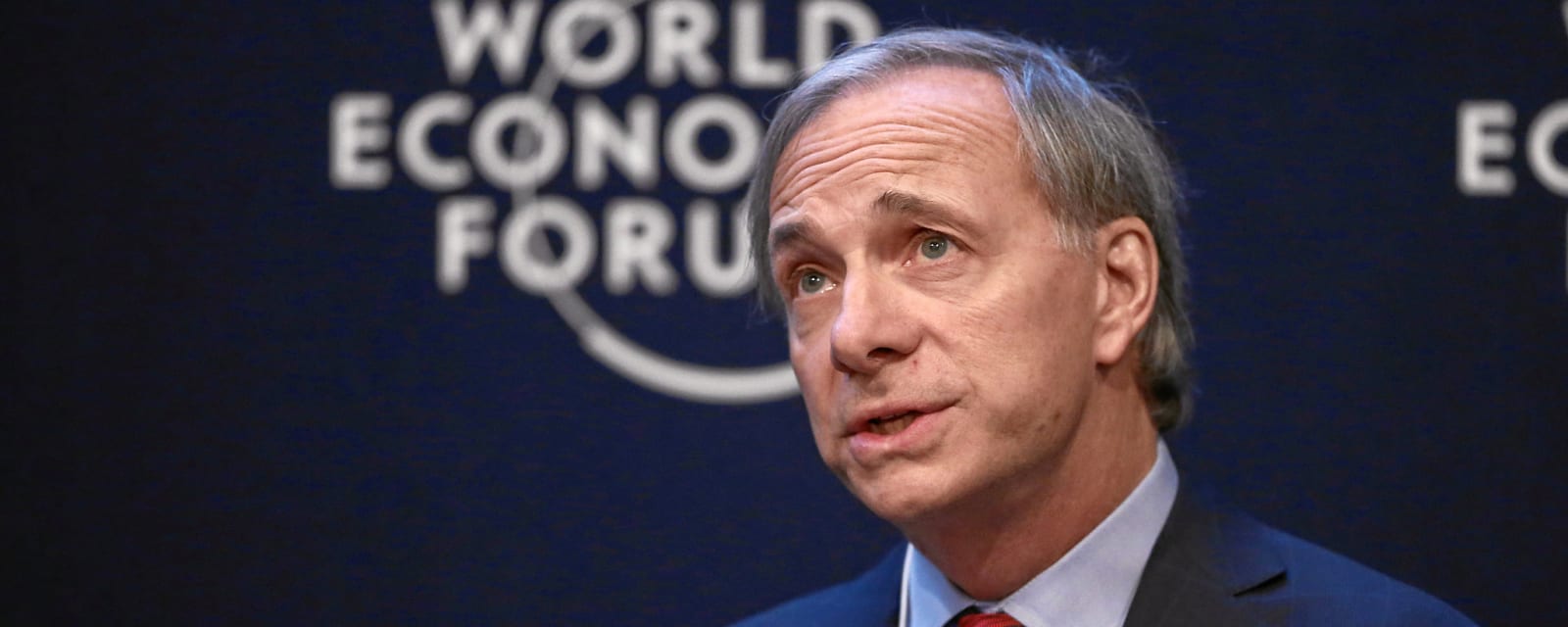
- • Ray Dalio warned that US federal debt and persistent deficits put the economy at risk of a financial crisis, describing the danger as "plaque" building in the arteries and warning of a possible economic "heart attack" in an interview with Money Rehab.
- • Dalio said the US needs to cut its budget deficit to 3% of GDP from roughly 6.5% under current conditions.
- • According to the GAO, total federal debt reached $40.2 trillion in fiscal 2026, up 105% from $19.6 trillion a decade earlier, with the government recording a $2 trillion budget deficit.
- • Interest costs on publicly held debt rose from about $392 billion in 2021 to $1.1 trillion in 2026, per the GAO.
- • Dalio recommended that traditional portfolios consider allocating roughly 10% to 15% to gold as a diversifier against debt-driven and currency risks.
Summary
Bridgewater Associates founder Ray Dalio has warned that America's mounting federal debt and budget deficits are exposing the US economy to a financial crisis. In a recent interview with Money Rehab, he compared years of excessive borrowing to plaque accumulating in arteries, arguing that rising debt-servicing costs are gradually consuming resources that could otherwise fund government services, investment and growth. "We are very exposed to a heart attack," Dalio said. He argued the US needs to bring its budget deficit down to 3% of GDP from approximately 6.5% under current conditions.
Dalio's warning aligns with official figures. According to the Government Accountability Office, total federal debt reached $40.2 trillion in fiscal 2026, a 105% increase from $19.6 trillion a decade earlier. Debt rose $2.5 trillion during fiscal 2026, including a $2.1 trillion increase in debt held by the public, and the government recorded a $2 trillion budget deficit, up from about $1.8 trillion in fiscal 2025. Interest costs on publicly held debt nearly tripled over five fiscal years, from about $392 billion in 2021 to $1.1 trillion in 2026. The Congressional Budget Office, in its 9 November Monthly Budget Review, put the fiscal 2026 deficit at 6.2% of GDP, well above its 50-year average of 3.8%. Its February 2026 outlook projected debt held by the public reaching 120% of GDP by 2036, with annual net interest rising from $1 trillion in 2026 to $2.1 trillion in 2036.
Dalio said Washington has limited options if investors grow reluctant to finance the borrowing. Interest rates would have to rise to restrain demand, or the Federal Reserve would have to print money to buy the debt, which he described as inflationary. Either path could erode purchasing power. "You don't increase wealth by printing money. You just lessen the value of money," he said.
Against this backdrop, Dalio views gold as an important portfolio diversifier during periods of excessive borrowing, currency uncertainty and financial instability. "When there's too much debt, and there are big problems, gold is an effective diversifier," he said. He suggested that investors with traditional portfolios consider allocating approximately 10% to 15% to gold.
Go deeper than the headline
Research every firm in this story, track the ones that matter and get the daily briefing — free for 7 days.