
Key Takeaways
- • Rep. Jim Himes, top Democrat on the House Intelligence Committee, has warned defense contractors of a "likely" investigation into whether corporate donations to Trump's White House ballroom project were solicited in exchange for government contracts or administration access.
- • Major defense contractors including Lockheed Martin, Booz Allen Hamilton, and Palantir have publicly contributed to the White House ballroom rebuild project, which is being privately funded rather than through taxpayer money.
- • The House Intelligence Committee may seek documentation, communications, and testimony to determine whether ballroom contributions were linked to obtaining or maintaining government contracts, access to senior officials, or other benefits, and whether such dealings pose national security risks or conflicts of interest.
- • Himes signaled potential broader investigations into "unusual dealings" between the White House, administration officials, and defense industry members beyond the ballroom project, including prior concerns about Qatari-gifted Air Force One conversions and Pentagon equity stakes in defense and critical minerals companies.
- • The investigation threat reflects anticipated Democratic congressional gains in November midterms; defense lobbyists are already preparing for increased oversight if Democrats secure control of key defense and intelligence committees.
Summary
Rep. Jim Himes of Connecticut, the ranking Democrat on the House Permanent Select Committee on Intelligence, issued a formal warning to defense contractors on Monday regarding a potential congressional investigation into the financing of President Trump's White House ballroom renovation project. In a letter to the National Defense Industrial Association, Himes expressed concern that the Trump administration has "departed from decades of precedent in favor of unethical or even nakedly corrupt dealings with the private sector," specifically flagging the fusion of government contracting processes with "the attempted extraction of political or private favors."
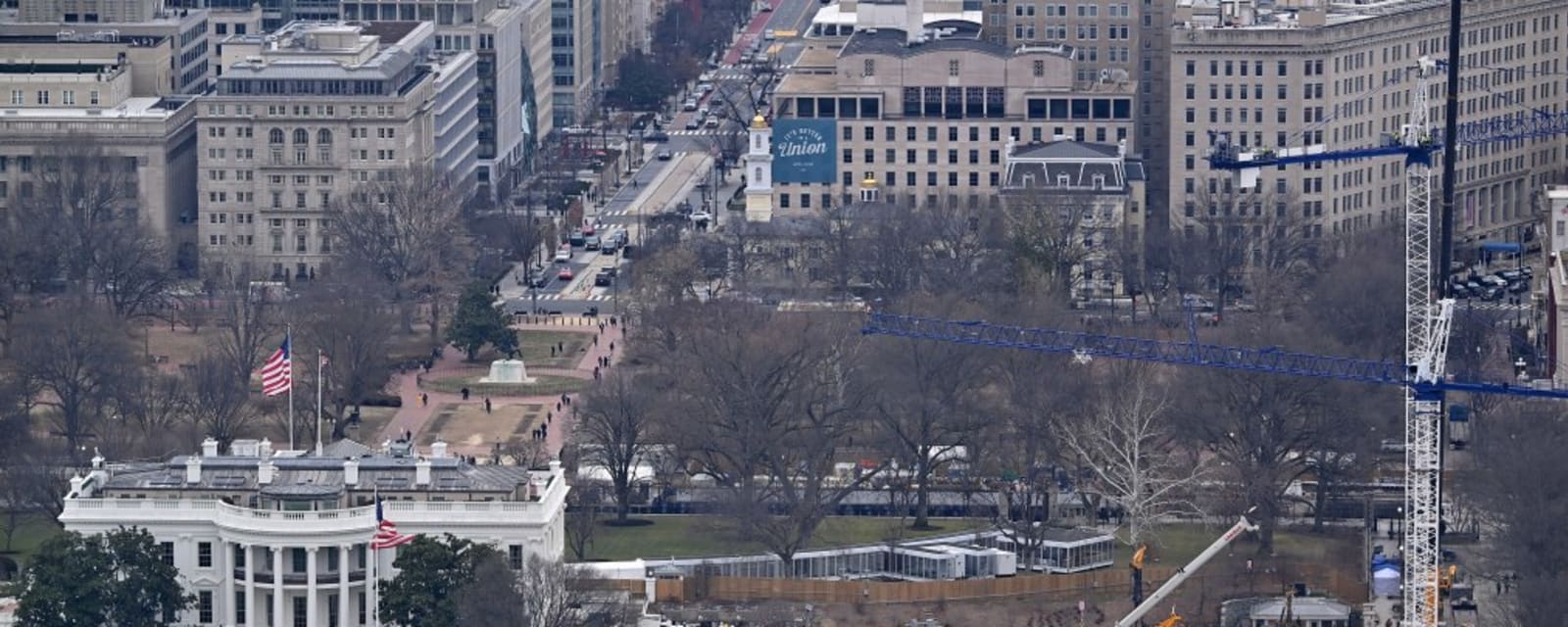
The White House ballroom project, announced last year with a commitment to rely on private donations rather than federal funds, has attracted significant corporate contributions from major defense contractors. Lockheed Martin, Booz Allen Hamilton, and Palantir have been publicly identified as contributors to the initiative. Himes did not name specific contractors in his letter but acknowledged that some publicly identified contributors are NDIA members, suggesting the investigation could target major industry players.
The House Intelligence Committee is preparing to examine whether these corporate donations were solicited or provided in exchange for government contracts, preferential access to the President or administration officials, or other tangible benefits. The committee intends to request documentation, communications, testimony, and related information to establish any quid pro quo arrangements. Additionally, investigators will evaluate whether such dealings constitute conflicts of interest or national security vulnerabilities, with potential legislative recommendations for enhanced disclosure requirements and safeguards.
Himes's warning carries significant weight given Democratic polling prospects for the November midterms. Political analysts project Democratic gains that could grant Himes control of HPSCI, positioning him to authorize formal investigations. The letter also signals broader scrutiny beyond the ballroom project; Himes indicated the committee may investigate other "unusual dealings" between the White House and defense industry members. This aligns with earlier reporting that defense lobbyists are preparing for intensified Democratic oversight, including potential probes into Pentagon equity investments in critical minerals producers and aircraft conversion arrangements.
The investigation threat underscores the political and regulatory risks facing defense contractors as control of congressional committees potentially shifts. Companies contributing to the ballroom project now face the prospect of detailed governmental inquiry into their motivations, communications, and any benefits received in relation to federal contracts or administrative access.
Go deeper than the headline
Research every firm in this story, track the ones that matter and get the daily briefing — free for 7 days.