
Key Takeaways
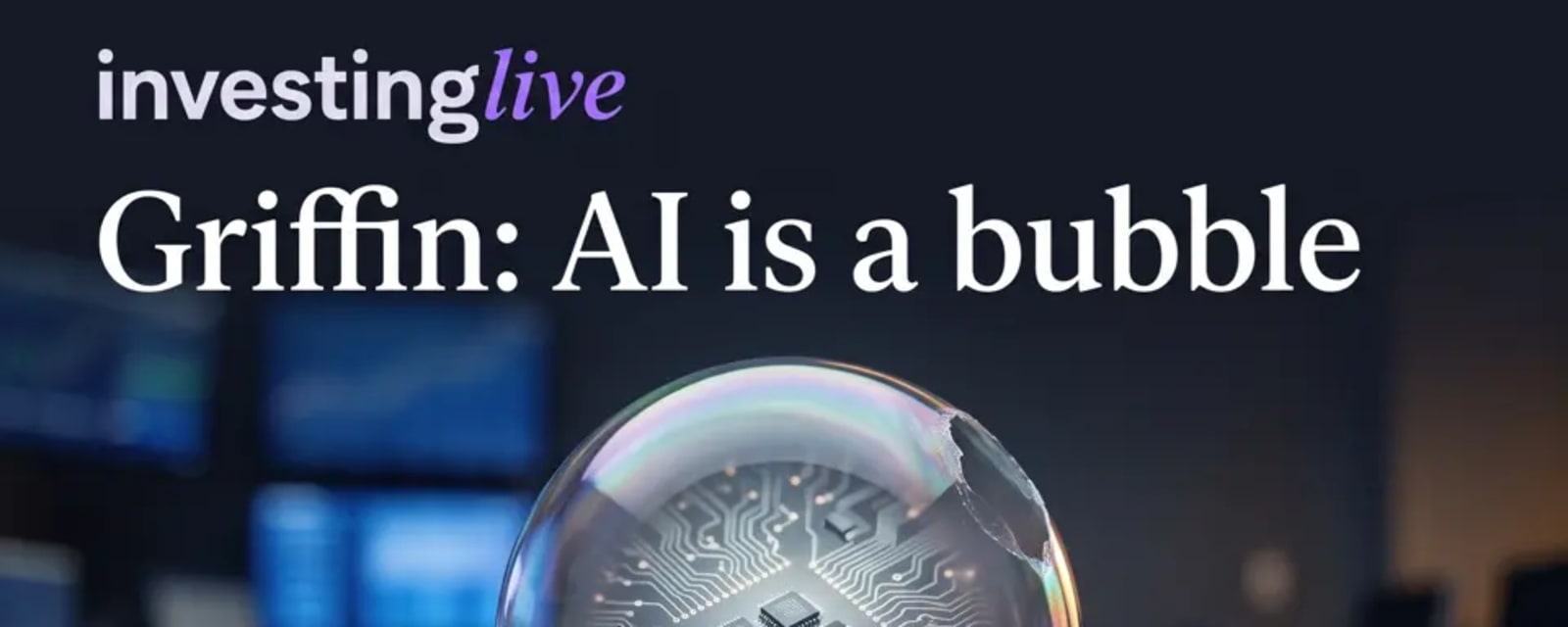
- • Citadel founder Ken Griffin said at the Future of Global Markets Conference in New York on Tuesday that investors are "almost certainly" in an AI bubble, while stopping short of a call to exit the trade.
- • Griffin argued that radical economic transformations are typically tied to bubbles, comparing AI to the pre-dot-com-crash period and noting he wished he had held his Amazon shares.
- • Griffin's stance has shifted through 2026, from dismissive of AI at Davos in January to unsettled by its capabilities at Stanford's business school in May.
- • His comments coincided with strong AI demand signals: SpaceX reported about $7.6 billion in AI revenue, more than half its quarterly total, and Super Micro released a preliminary September-quarter update well ahead of its guidance.
- • The debate centers on valuation rather than demand, as investors weigh whether AI-linked stock prices reflect realistic outcomes ahead of mega-cap tech earnings season.
Summary
Ken Griffin, founder of hedge fund Citadel and market maker Citadel Securities, said investors are almost certainly in an artificial intelligence bubble. Speaking at the Future of Global Markets Conference in New York on Tuesday, he argued that radical transformations of the economy tend to be intertwined with bubbles. He pointed to the period before the dot-com crash, when some business models proved fanciful, but also to the companies that endured, remarking that he wished he had held on to his Amazon shares.
Griffin's position is not a dismissal of AI. His argument is that a genuine technological shift and a speculative bubble can coexist, with excess valuations and failed ventures alongside lasting winners. That framing implies volatility and losers along the way rather than a collapse in the underlying trend, which may limit any direct market reaction, according to the original analysis.
His remarks mark a shifting stance through 2026. At Davos early in the year he was openly dismissive of AI. By May, speaking at Stanford's business school, he said he was unsettled by how much the technology could achieve. The latest comments sit between those positions, accepting AI's transformative potential while warning that markets have run ahead of it.
The comments arrived on a day of strong AI demand signals. SpaceX reported AI revenue of about $7.6 billion, more than half its quarterly total, and chief executive Elon Musk said compute was so scarce that older Nvidia chips now rent for more than when new. Super Micro Computer separately released a preliminary update showing September-quarter revenue far ahead of its own guidance.
These data points suggest demand is real and, for now, accelerating. Griffin's warning concerns price rather than demand: whether valuations attached to AI-linked companies reflect realistic outcomes for all of them. With mega-cap tech earnings season under way, starting with Meta, investors will look for evidence on whether heavy AI spending is beginning to generate returns that support current valuations.
Go deeper than the headline
Research every firm in this story, track the ones that matter and get the daily briefing — free for 7 days.