
Key Takeaways
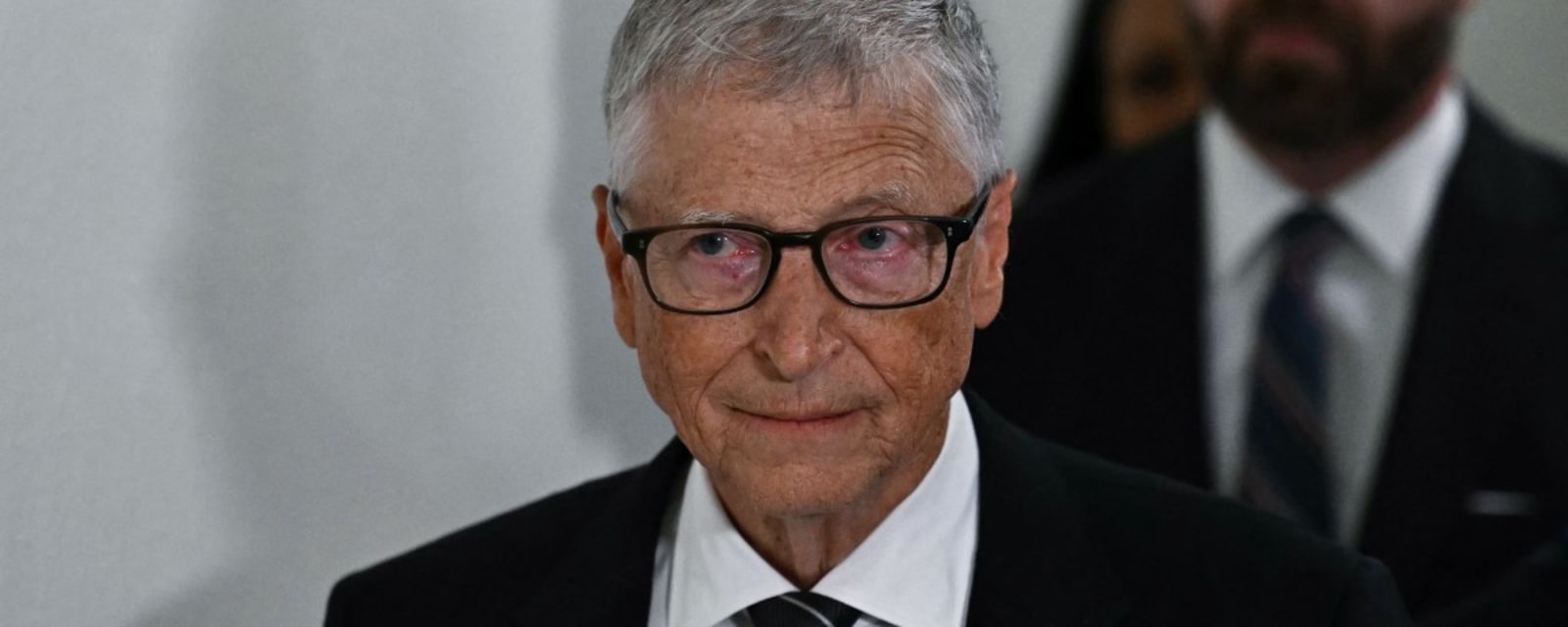
- • Bill Gates told the Financial Times that governments, not philanthropy, must bear the primary responsibility for addressing inequality in the AI era, and that a billionaire tax is necessary.
- • Gates argues philanthropy is voluntary and cannot serve as a safety net, and that progressive wealth taxation should come first, with individuals donating from remaining earnings.
- • Gates said he is giving "virtually all my wealth," about $100 billion, to the Gates Foundation, to be spent within 20 years.
- • According to Fed data cited in the article, the top 1% of U.S. wealth holders own more than 50% of the nation's stock market, so AI-driven gains are likely to flow disproportionately to them.
- • Gates proposes taxing AI tokens and robots; Nvidia founder Jensen Huang disagrees and says he would pursue different remedies.
Summary
Bill Gates has said a billionaire tax is likely the best policy response to the inequality that artificial intelligence may produce, according to an interview with the Financial Times. The remarks come as AI-linked fortunes have grown sharply and as a stock sell-off in the preceding 24 hours reduced the net worth of the world's wealthiest individuals. Proposals for a billionaire tax have proved divisive in California.
Gates argued that the primary responsibility for inequality rests with governments. "We can't expect philanthropy, which is voluntary in nature, to be the safety net," he said. In his view, policymakers should tax wealth progressively, after which individuals can choose to donate from their remaining earnings. He said changes to tax systems would be needed in an AI-driven economy, including the ability to tax very large fortunes.
The article notes concerns that AI could deepen the so-called K-shaped economy, in which higher and lower earners diverge in their economic prospects. Gates has committed "virtually all my wealth," about $100 billion, to the Gates Foundation, to be spent within 20 years. Even so, the article argues these sums would not offset the inequality AI is likely to create, citing Fed data that the top 1% of U.S. wealth holders own more than 50% of the stock market.
Gates's position is not universally shared among technology leaders. Google co-founder Sergey Brin and former Google CEO Eric Schmidt have moved to tax-friendly states amid California's proposed billionaire tax. Gates has also proposed taxing AI tokens and robots, arguing the tax code currently favors machines over workers because payroll taxes apply to employees while robot purchases can often be written off immediately. Nvidia founder Jensen Huang, speaking to Fox Business, said he supports taxes on productive people but "see[s] something very, very different" from Gates and would pursue "a little different" remedies.
Go deeper than the headline
Research every firm in this story, track the ones that matter and get the daily briefing — free for 7 days.