
Key Takeaways
- • DCG's total debt stands at just over $2 billion, with founder and CEO Barry Silbert disclosing the liability in a shareholder letter aimed at stabilizing investor confidence following the FTX collapse.
- • Genesis, DCG's lending subsidiary, received a $575 million loan from DCG priced at prevailing market interest rates, with repayment due in May 2023, funds that were used for stock buybacks and investments.
- • DCG absorbed approximately $1.1 billion in debt from a bankrupt crypto entity, adding material liabilities to the conglomerate's balance sheet during an industry-wide downturn.
- • Despite $2 billion in debt, Silbert stated DCG is on pace to generate $800 million in revenue in 2022 and has raised only $25 million in primary capital since the company's founding in 2015.
- • The disclosure represents an attempt to contain contagion fears in the cryptocurrency sector following FTX's sudden collapse two weeks prior, with Silbert invoking DCG's track record of surviving previous crypto winters.
Summary
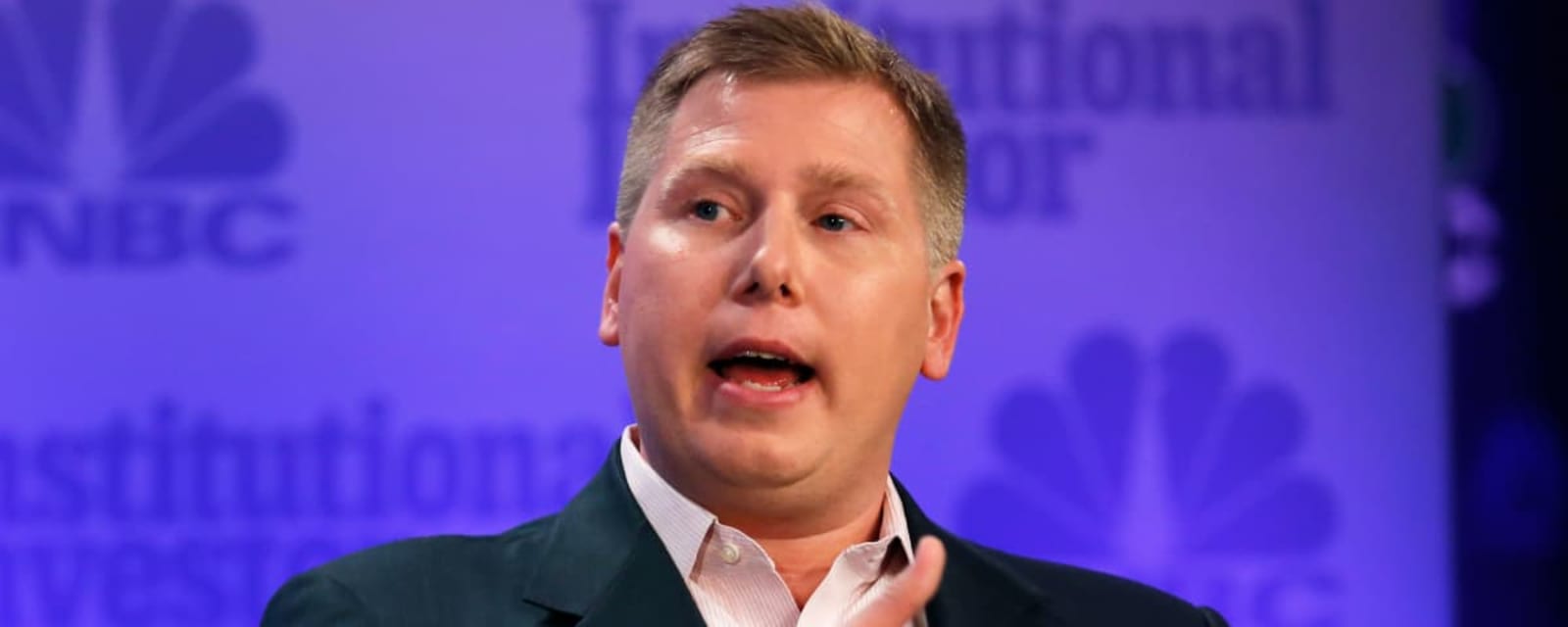
Barry Silbert, founder and CEO of Digital Currency Group, disclosed in a shareholder letter dated November 22, 2022, that his crypto conglomerate carries approximately $2 billion in debt. The announcement comes in direct response to heightened investor anxiety following FTX's precipitous collapse, which occurred roughly two weeks earlier and triggered widespread concerns about systemic vulnerabilities across the cryptocurrency industry.
The $2 billion debt structure includes a $575 million loan extended to Genesis, DCG's lending and trading subsidiary, which carries a maturity date of May 2023. According to Silbert's disclosure, these funds were deployed for corporate stock buybacks and strategic investments at interest rates reflecting prevailing market conditions. Additionally, DCG absorbed approximately $1.1 billion in debt obligations from a bankrupt crypto entity, substantially increasing the conglomerate's leverage during a period of severe market contraction.
Silbert framed DCG's financial position as sustainable, emphasizing that the company is tracking toward $800 million in revenue for 2022 despite the prevailing crypto winter. He noted that since DCG's founding in 2015, the firm has raised only $25 million in primary capital, suggesting capital-light operational scaling. Silbert's letter explicitly referenced DCG's historical resilience through previous cryptocurrency downturns, stating: "We have weathered previous crypto winters. While this one may feel more severe, collectively we will come out of it stronger."
The shareholder communication reflects a broader industry-wide effort by major crypto platforms to contain contagion risk. Coinbase, Binance, and Crypto.com have similarly issued reassurances regarding customer asset security and operational stability in the aftermath of FTX founder Sam Bankman-Fried's alleged fraud and misrepresentation of the exchange's financial condition.
Go deeper than the headline
Research every firm in this story, track the ones that matter and get the daily briefing — free for 7 days.