
Key Takeaways
- • Indiana state pension officials announced the pre-1996 teacher pension fund could be regarded as fully funded as soon as Indiana's 2028 fiscal year, according to the Indiana Capital Chronicle.
- • State officials expect to avoid a $1 billion annual payment to the fund, which had been designed under a "pay-as-you-go" model.
- • Legislators have directed $4.3 billion in extra payments to the fund since 2018, including $2.5 billion ordered in 2022 from federal COVID-19 relief-swollen reserves.
- • Indiana Public Retirement System executive director Steve Russo projects a $160 million state payment in 2027 would bring the fund to 100% funded status, but cautioned that weak investment returns could require more state money.
Summary
Indiana state officials expect that a $1 billion annual payment to a teacher pension fund will no longer be needed within the next couple of years. Republican legislative leaders welcomed a Thursday announcement from state pension officials that the fund covering teachers hired before 1996 could be regarded as fully funded as soon as Indiana's 2028 fiscal year. The fund's large unfunded liability has long been a concern for legislative budget writers.
Lawmakers have directed $4.3 billion in extra payments to the fund since 2018, when annual state appropriations for its pension payments were expected to continue until at least 2037. The largest of these was ordered in 2022, with $2.5 billion directed to the plan from state reserves that had been swollen by federal COVID-19 pandemic relief funding.
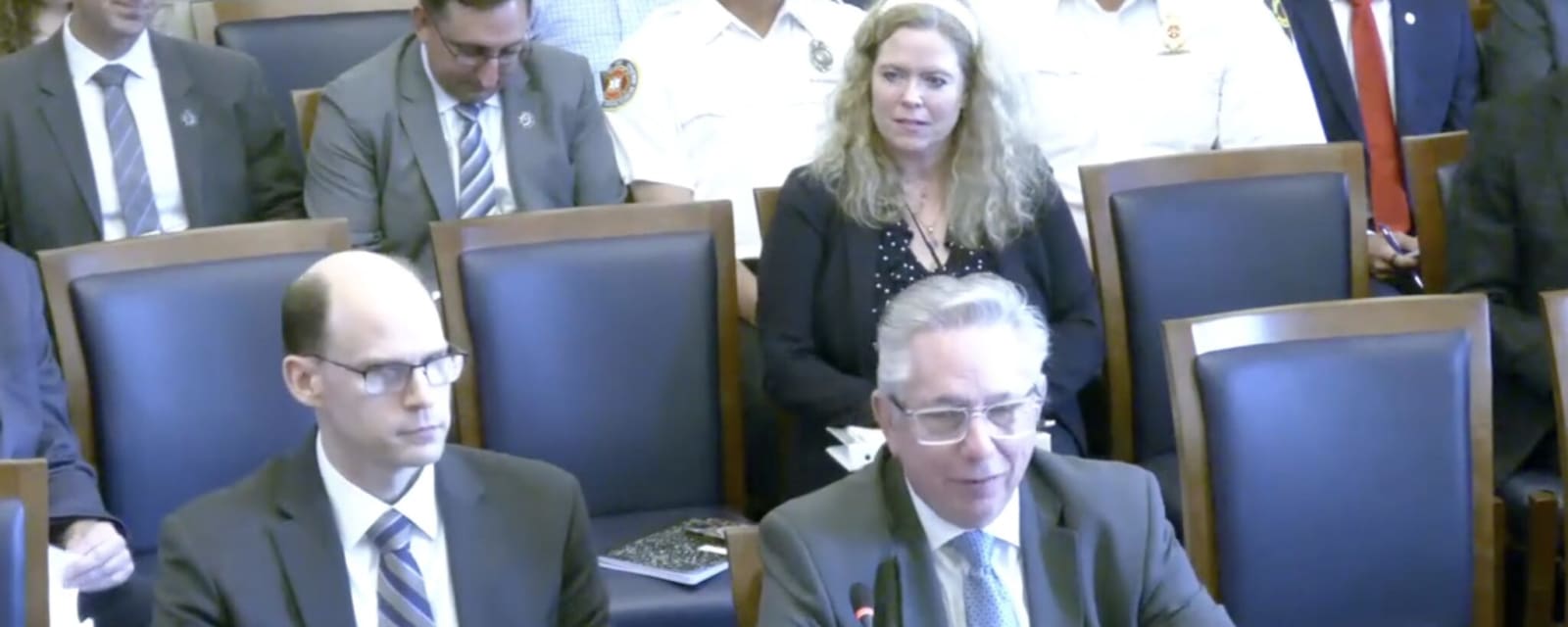
Steve Russo, executive director of the Indiana Public Retirement System, told a legislative committee that projections show a $160 million state payment in 2027 would bring the fund to 100% funded status. He cautioned, however, that poor investment returns in coming years could mean more direct state money is needed for the pre-96 fund, which covers about 52,000 retired and 4,000 active teachers. "There's risk going forward with this," Russo told the pension oversight committee.
Top legislators praised the development as providing the state with "financial freedom and fiscal flexibility." Senate Appropriations Committee Chair Ryan Mishler called it "a big win for Indiana," while House Speaker Todd Huston said taxpayers would benefit from avoiding future $1 billion annual payments, freeing money for other priorities or tax relief. Huston said increased annual contributions and one-time investments had strengthened retirement security for teachers and reduced a major long-term cost for taxpayers.
Go deeper than the headline
Research every firm in this story, track the ones that matter and get the daily briefing — free for 7 days.