
Key Takeaways
- • Malaysia's former Prime Minister Najib Razak returned to his Kuala Lumpur residence late on Tuesday to serve the remainder of his jail sentence under house arrest, ending a four-year prison term, according to the BBC.
- • Investigators estimated $4.5bn (£3.3bn) was siphoned from the state wealth fund 1MDB, with more than $1bn allegedly ending up in accounts linked to Najib, per prosecutors.
- • Najib was convicted of abuse of power, money laundering and breach of trust over 42 million ringgit ($10m; £7.7m) transferred from SRC International, a former 1MDB unit, into his private accounts.
- • A royal conditional pardon granted in September allowed the transfer, with Najib's party paying a $12m fine as a term of the pardon; the high court ruled the house arrest effective immediately on Tuesday.
- • Critics argue the release undermines anti-corruption efforts and question its legal basis, as Malaysian law makes no provision for house arrest.
Summary
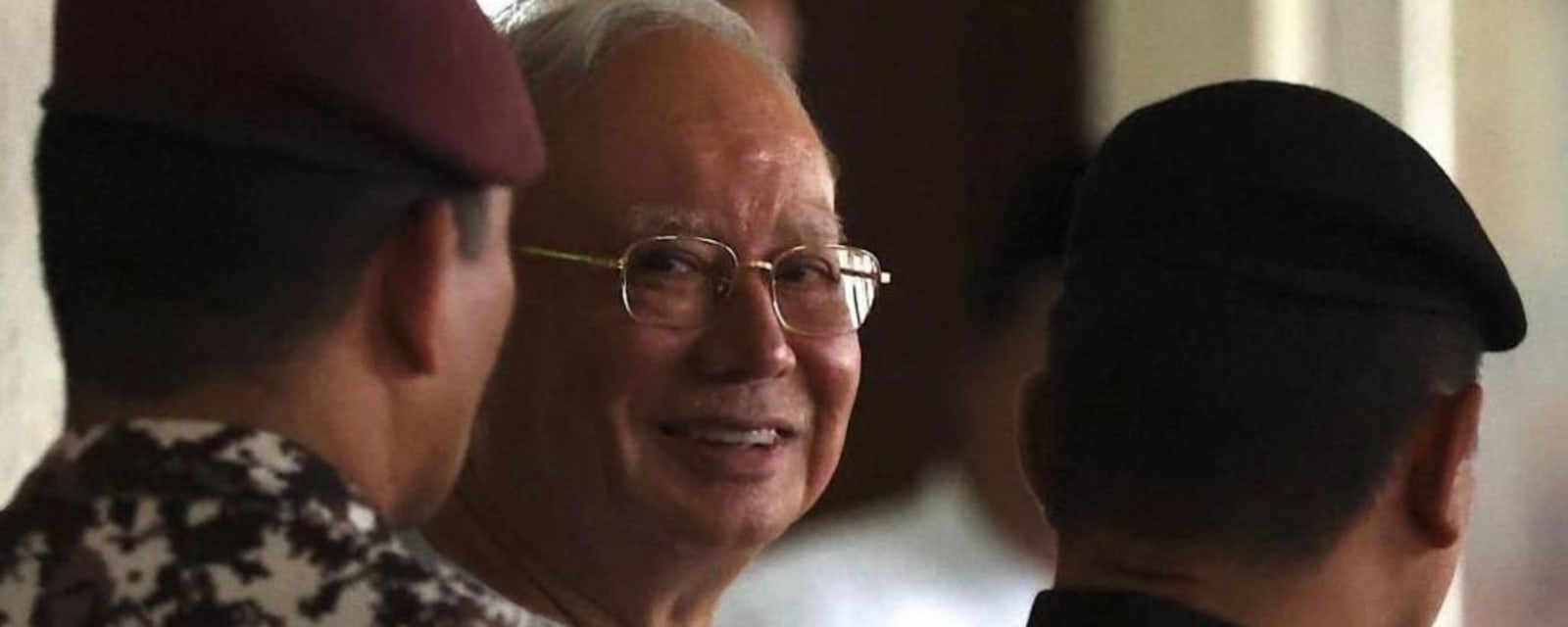
Malaysia's former Prime Minister Najib Razak has arrived home to begin serving the rest of his jail sentence under house arrest. According to the BBC, the 73-year-old was returned from prison in an SUV late on Tuesday night, escorted by a heavily armed police convoy, with a large media presence at his Kuala Lumpur residence. The mansion, located in one of the capital's most exclusive neighbourhoods, was declared a federal prison ahead of his homecoming.
Najib's return ends a four-year prison stint following his conviction over the embezzlement of billions of dollars from the country's sovereign wealth fund, 1MDB, which he co-founded. Investigators estimated $4.5bn (£3.3bn) was siphoned from the fund into private pockets, and prosecutors allege more than $1bn ended up in accounts linked to Najib. He was convicted of abuse of power, money laundering and breach of trust over 42 million ringgit ($10m; £7.7m) transferred from SRC International, a former 1MDB unit, into his private accounts. Najib, who served as prime minister from 2009 to 2018, denied wrongdoing across two separate trials. His lawyers contend he was misled by his advisers, in particular financier Jho Low, who maintains his innocence and remains at large.
In September, the King of Malaysia granted Najib a conditional pardon allowing him to serve the remaining two years of his sentence at home. Under the terms, his party paid a $12m fine. The transfer was scheduled for Friday but was put on hold after the attorney general sought clarification of the royal decree. On Tuesday, the high court ruled the house arrest effective immediately. He is due to begin serving his original sentence after house arrest ends, expected in August 2028.
Critics said the release undermines efforts to fight corruption and questioned its legal basis, noting that Malaysian law makes no provision for house arrest. The 1MDB scandal, which brought down his government when it surfaced about a decade ago, drew in figures across Malaysia, Goldman Sachs and Hollywood.
Go deeper than the headline
Research every firm in this story, track the ones that matter and get the daily briefing — free for 7 days.