
Key Takeaways
- • Atomico, the venture firm founded by Skype co-founder Niklas Zennström and an early backer of Stripe, used its annual State of European Tech report to argue that Europe is producing some of the fastest-growing companies on record, with Black Forest Labs and Microagi reaching $100 million in revenue within months rather than years.
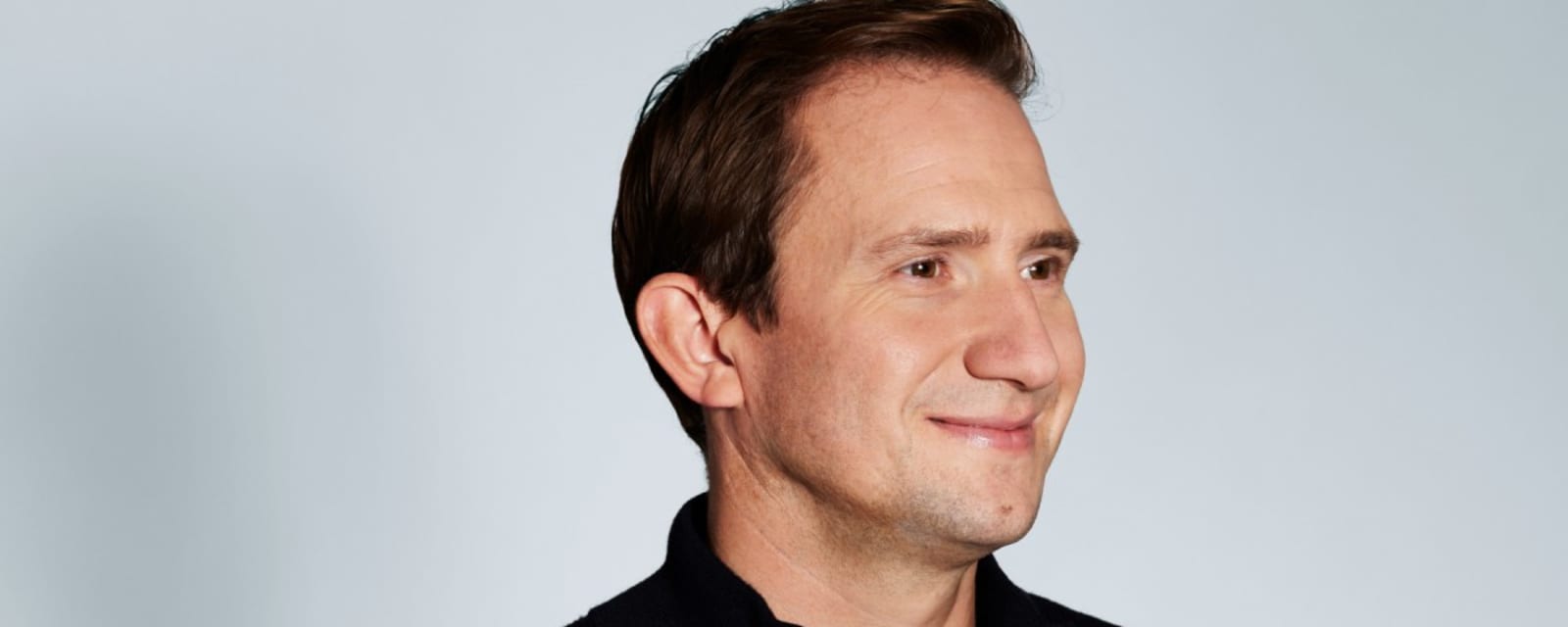
- • Atomico partner and head of intelligence Tom Wehmeier, the report's lead author, said policy, procurement and capital are "not moving at the same speed as our founders" and urged the tech sector to frame its demands as opportunities rather than complaints.
- • The report names EU Inc, the proposed 28th regime for a unified European corporate structure akin to the Delaware C Corp, as the next key test, with Wehmeier calling the coming weeks "a really important test."
- • Atomico wants European institutional investors and European beneficiaries to become the largest shareholders in the companies the region creates, alongside progress on an EU capital markets union.
- • Wehmeier identified public trust as the central challenge, stating it must be earned by "showing results to the public" such as lower energy bills, better healthcare and more affordable housing.
Summary
Atomico, the veteran venture capital firm founded by Skype's Niklas Zennström and an early backer of Stripe, used its latest annual State of European Tech report to argue that Europe's success stories have been under-acknowledged. According to the report, companies such as Black Forest Labs and Microagi have reached $100 million in revenue in months rather than years. Tom Wehmeier, Atomico partner, head of intelligence and the report's lead author, told TechCrunch: "I think we can put to bed the idea that there's a fundamental reason or constraint on the ability to scale a breakout company from here in Europe."
The firm's call for 2026 is for Europe to "build it," "scale it" and "own it," the last meaning that the companies it creates remain European. Wehmeier said policy, procurement and capital are not keeping pace with founders, but argued the sector should advocate for itself constructively. "When we frame it as problems, that becomes harder," he said, suggesting that position papers present regulatory change as an opportunity to increase impact. The reframing may also help European tech improve its image abroad, where complaints about overregulation have overshadowed the region's deep tech talent and growing pool of repeat entrepreneurs.
Wehmeier named EU Inc, also known as the 28th regime, as a central near-term test. The initiative would create a unified European corporate regime akin to the Delaware C Corp, making it easier to create and operate businesses across the EU. Atomico views a successful grassroots push as evidence that the tech sector can be heard, which could lead to the political endorsement it seeks. Wehmeier noted that the sector is Europe's second-largest, its biggest contributor to growth and its largest job creator, asking rhetorically, "Do we not want more of that?" He acknowledged, however, that it is unclear whether supporting tech would win votes, and said the sector must show that its growth translates into value for citizens.
The report supports this case with high-level data and portfolio examples. ICEYE's satellites monitor severe weather and flooding, and Daniel Ek's Neko Health has completed more than 100,000 body scans, some of which identified severe or life-threatening conditions. The article notes that Neko Health's scan pricing may be prohibitive for many Europeans who rely largely on public health insurance.
Beyond the EU capital markets union, Wehmeier hopes more European institutional investors will back regional tech companies. "We must get to the place where Europe and European beneficiaries are the biggest shareholders in the success that we create," he said. He acknowledged that anti-industry sentiment, including fears of AI-driven job losses, must be addressed first, adding that "trust is going to be earned through showing results to the public."
Go deeper than the headline
Research every firm in this story, track the ones that matter and get the daily briefing — free for 7 days.