
Key Takeaways
- • Olivia Sioud, who joined Scott Farquhar and Kim Jackson's private investment fund Skip Capital in 2021 when it had three staff, now leads its venture capital team and is Australia's youngest venture capital partner, according to Forbes Australia.
- • Skip Capital led the $20 million Series B in Neara in 2022, and Neara was valued at $1.1 billion this year, making it Australia's newest unicorn; Sioud serves as a board observer.
- • Skip Capital, the private investment fund of Atlassian co-founder Scott Farquhar and his wife Kim Jackson, first backed Neara in its 2018 seed round and has followed it through five rounds.
- • Sioud's investment focus includes founder-led companies, AI across the application layer and deeper stack (chips, compute, energy), and recent backing of two surgical robotics companies.
Summary
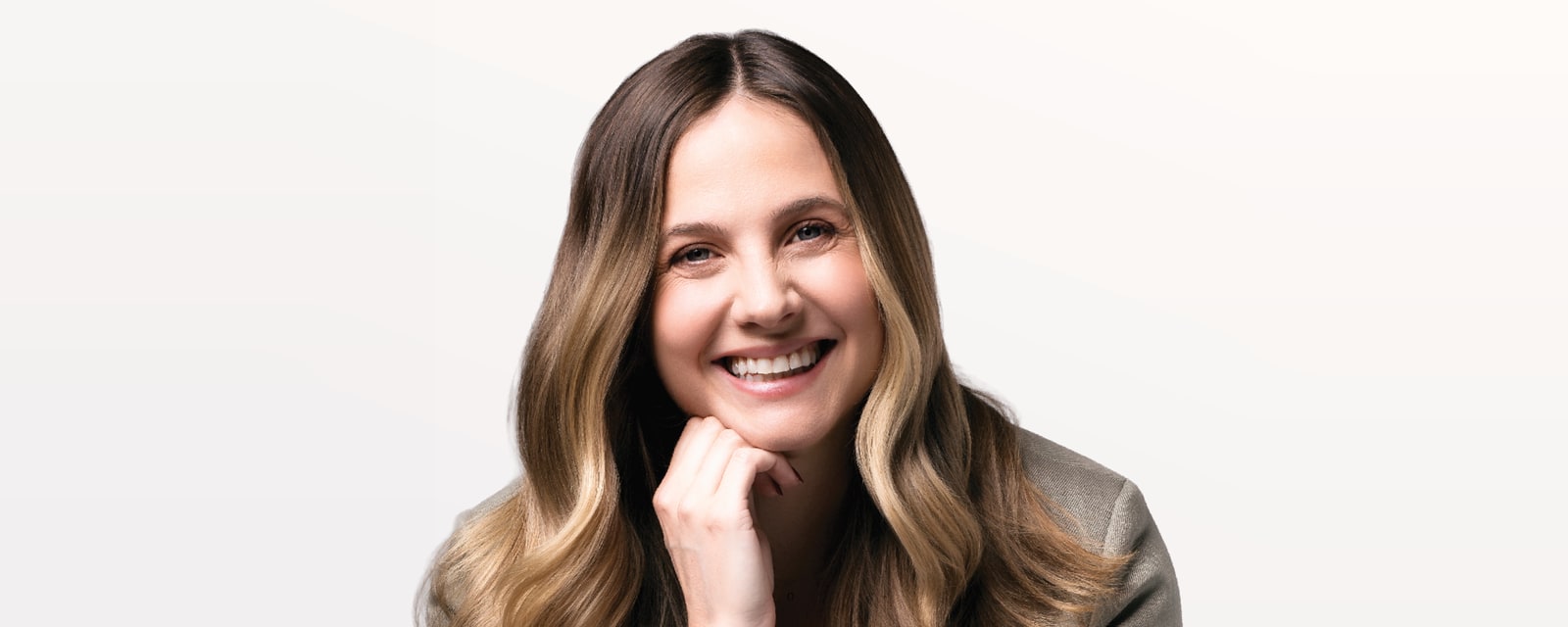
Forbes Australia profiles Olivia Sioud, the venture capital lead at Skip Capital, the private investment fund of Atlassian co-founder Scott Farquhar and his wife Kim Jackson, a former investment banker and systems engineer. Sioud joined Skip Capital in 2021, when the team had three people, and was close to every cheque the fund wrote. Her early experience included a portfolio containing Canva, Figma and Airwallex. She was promoted to lead the venture capital team last year at age 28, a appointment that Forbes Australia says made her Australia's youngest venture capital partner.
Sioud's path to the role was not linear. She studied science and law at the University of Sydney, joined edtech start-up Atomi as one of its first employees, and then spent time at Boston Consulting Group and Allens. She says the corporate experience helps when Skip's portfolio companies sell to enterprise customers. She describes Skip as a very small team investing in what she considers some of the best businesses in the world.
The clearest example of the model, according to the article, is Neara, a Sydney climate-tech company. Skip first backed Neara in its 2018 seed round and has followed it through five rounds. Sioud joined when Skip led the $20 million Series B in 2022. This year Neara was valued at $1.1 billion, making it Australia's newest unicorn. Sioud sits as a board observer. Sioud says the Neara experience showed how powerful a founding team can be when each member has a standout strength, and that Skip looks for founders whose insight comes from lived experience.
Sioud says Skip places deep respect on founders as people and tries to keep the demands of building a company in mind when working with them. She also points to Jackson's willingness to back her early as a model for developing talent. Looking ahead, Sioud wants Australia to compete in AI by combining its strengths in land, energy and infrastructure with technical talent from its universities, and would like to see AI companies built at the application layer and further down the stack in chips, compute and energy. Skip has recently backed two surgical robotics companies, one treating cancer and one addressing heart attack and stroke. Sioud acknowledged that investing in the current environment is difficult given fast-moving AI development and changing market conditions.
Go deeper than the headline
Research every firm in this story, track the ones that matter and get the daily briefing — free for 7 days.