
Key Takeaways
- • Revolut Chief Executive Nik Storonsky argues that venture capital investors who take board seats and voting rights can become a governance risk for founders, describing their attitude as entitlement to a large share of the company's success.
- • Storonsky advises founders raising institutional capital to scrutinise the shareholder agreement signed at the term-sheet stage, arguing that investors should be purely financial players with no voting rights and no seat in decision-making.
- • According to Storonsky, the governance danger emerges when a business hits turbulence, at which point investors who act as "cheerleaders" rather than professionals can cause serious problems.
Summary
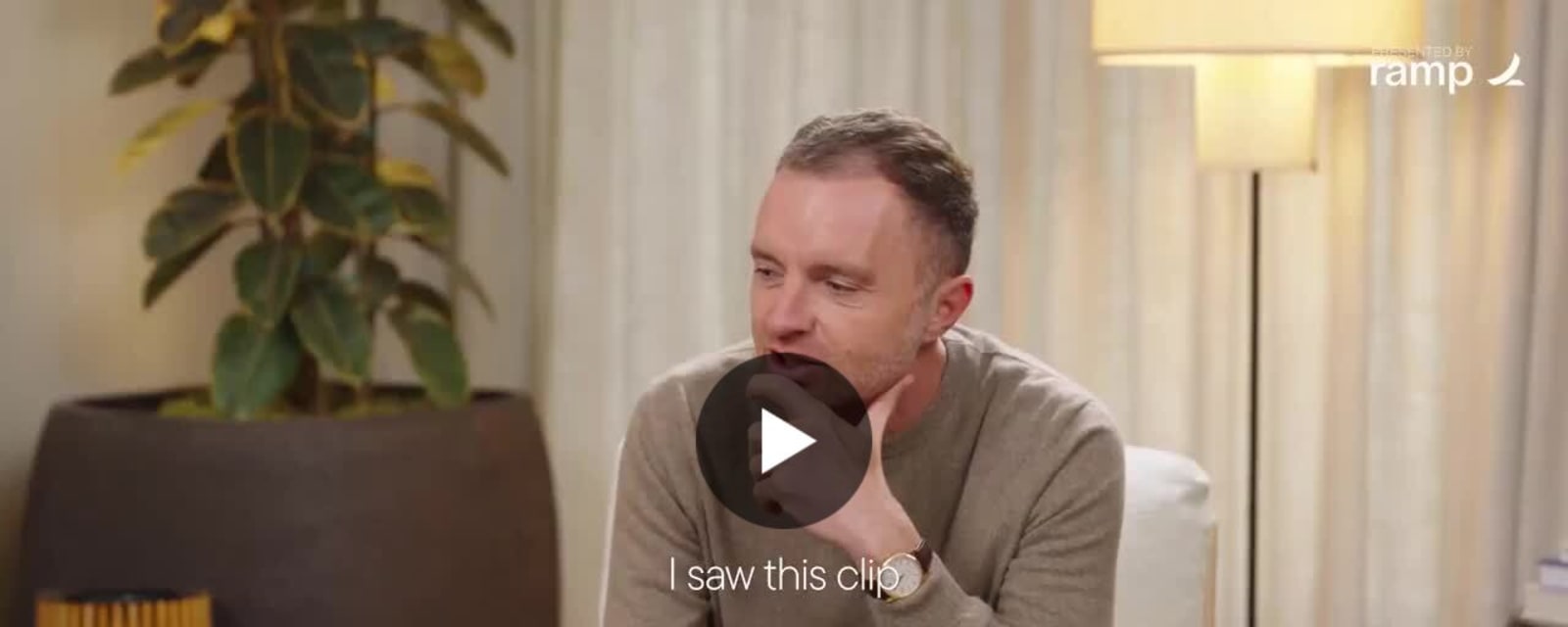
Founders raising venture capital often regard a prominent investor on the board as a mark of status. Revolut Chief Executive Nik Storonsky takes a different view, describing such arrangements as a governance trap. In a video clip credited to Ramp, Storonsky said that some investors "basically think that because of them, the company was created because they gave money, and that they are entitled to a large part of its success."
For founders who accept institutional capital, Storonsky argues that the principal safeguard lies in the legal documentation signed at the term-sheet stage. "My advice to entrepreneurs would be: even if you raise money from VCs, pay a lot of attention to shareholder agreement," he said. He recommended ensuring that investors are "purely financial players, with no voting rights and no seat at the table in decision-making."
The article notes that board seats and voting vetoes rarely cause difficulty while revenue is growing. The risk becomes apparent when the business encounters turbulence. Storonsky compared such investors to spectators who "look at the match, and then try to play the match instead of professional players," adding, "That's always a disaster."
Go deeper than the headline
Research every firm in this story, track the ones that matter and get the daily briefing — free for 7 days.