
Key Takeaways
- • Federal Treasurer Jim Chalmers said legislation covering startup capital gains tax (CGT) concessions, R&D Tax Incentive changes and expanded venture capital incentives will be introduced to parliament the following week, per Startup Daily.
- • The revised IBCC (Innovative Business CGT Concession) cut the minimum holding period for eligible shares from five years to three, scrapped a proposed $10 million lifetime cap, and extended company eligibility from 10 to 15 years.
- • The government's R&D changes are projected to unlock an extra $400 million in R&D by young firms every year, a figure Chalmers described as a government estimate rather than a new grants allocation.
- • The venture capital proposals would raise the maximum size of ESVCLP funds from $200 million to $270 million from July 2027.
- • Concerns remain among founders, investors and the Tech Council of Australia over R&D and CGT changes potentially leaving fintech and deep tech startups worse off, and the speech did not clarify whether those concerns were addressed.
Summary
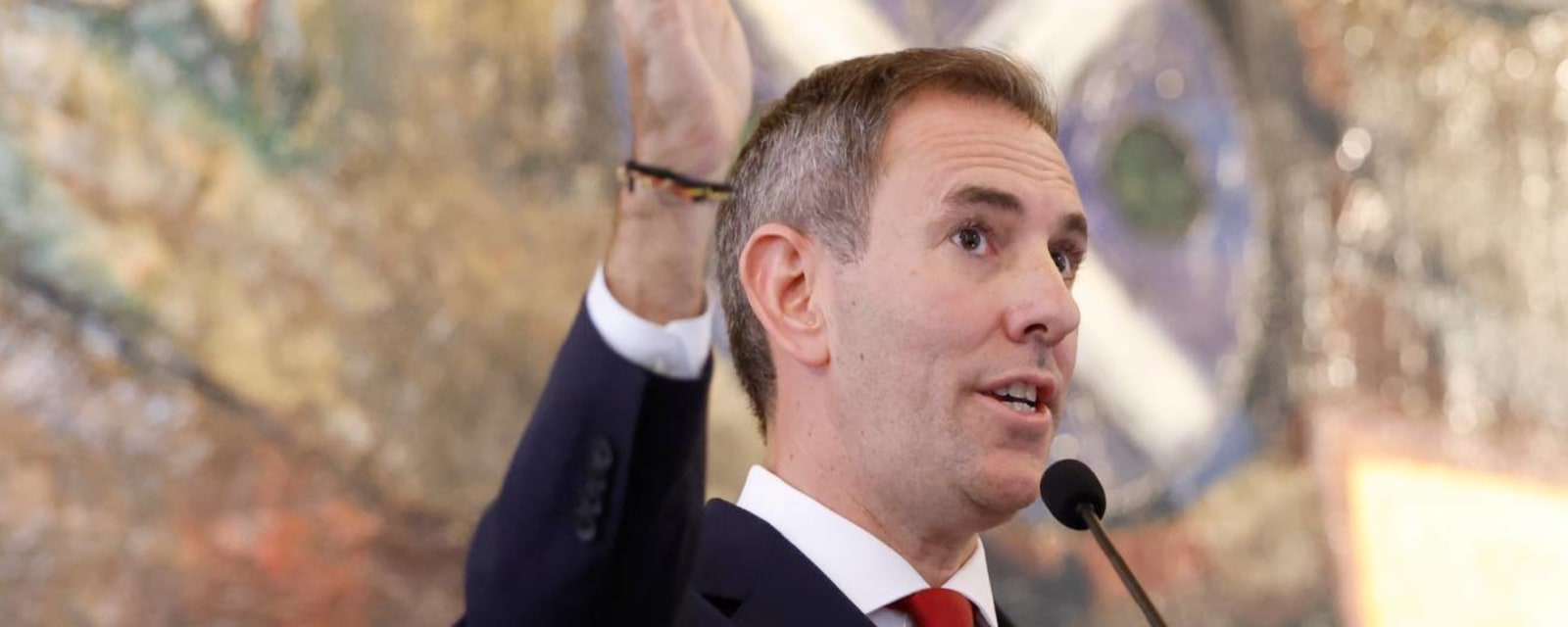
Federal Treasurer Jim Chalmers said at the Citi A50 Australian Economic Forum in Sydney that legislation covering startup capital gains tax concessions, changes to the Research and Development Tax Incentive, and new venture capital incentives will go to parliament the following week, according to Startup Daily. Chalmers argued the tax reforms would redirect investment toward productive businesses as part of the government's growth agenda.
The legislation follows consultations on the September exposure drafts, which closed in late September. Following criticism from founders, investors and the tech ecosystem, the government softened several features of the proposed IBCC carve-out. The revised proposal cuts the minimum holding period for eligible shares from five years to three, drops a proposed $10 million lifetime cap, and extends company eligibility from 10 years to 15. The IBCC would retain a 50% discount for qualifying early-stage investments, subject to innovation requirements and a $50 million turnover threshold. It is not yet known whether Treasury incorporated further startup sector feedback into the final bill.
Significant concerns remain. Startup Daily reported that combined R&D and CGT changes could leave some startups and scaleups worse off, including fintechs and deep tech companies, potentially prompting an offshore brain drain. The Tech Council of Australia argued that removing supporting R&D activities from eligible expenditure could outweigh higher offsets for core research, particularly for software, AI and deep tech startups. It also opposed limiting refundable offsets to businesses operating for less than 10 years, noting quantum, robotics and space companies face lengthy commercialisation periods. Annual compliance requirements for the Early Stage Venture Capital Limited Partnerships (ESVCLP) program also remain a concern, particularly regarding additional investor risk.
Chalmers said the R&D changes would generate additional research spending, stating that "by better targeting the Research and Development Tax Incentive, we are unlocking an extra $400 million in R&D by young firms every year." That figure is the government's estimate of additional R&D activity, not a new grants allocation. The September draft proposed introducing the R&D changes from July 2028, including a higher $50 million turnover threshold for refundable offsets and a 15-year eligibility window for qualifying therapeutic-goods research. Separately, the venture capital proposals would lift the maximum size of ESVCLP funds from $200 million to $270 million from July 2027. Chalmers also cited $3.8 billion in lower taxes for businesses, though the startup sector was grouped into that figure without specific benefits identified.
On AI, Chalmers said the National Reconstruction Fund would play a larger role in helping Australia capture more of the AI value chain, and that innovation minister Tim Ayres is working with CSIRO to ensure researchers and innovators have the compute they need. AI standards legislation would also soon be introduced to parliament. The speech did not clarify whether the forthcoming bill addresses remaining R&D eligibility and CGT innovation concerns, or how founders would access the promised compute capacity. Depending on the outcome, attention may shift to the Senate and cross-bench, where the government will need support to pass the amended tax changes.
Go deeper than the headline
Research every firm in this story, track the ones that matter and get the daily briefing — free for 7 days.