
Key Takeaways
- • Iran's rial collapsed to 2.5 million to the U.S. dollar on October 1, 2026, marking a new record low and a 170% depreciation since August 2025, driven by economic sanctions and military conflict.
- • U.S. naval blockade has reduced Iran's oil exports to virtually zero, with the country failing to load any crude at export terminals in September 2026—the first such occurrence since the 1979 Islamic Revolution, according to Kpler analyst Homayoun Falakshahi.
- • Iran faces a severe cash crunch and balance-of-sheet crisis: the regime cannot collect payment from customers for exported goods, cannot import fuel and essential goods by sea, and land routes are congested, creating a liquidity trap.
- • Economic conditions are deteriorating sharply: inflation near 90%, GDP expected to contract 5.4% in 2026, unemployment surging, energy rationing in effect, and Supreme Leader Ayatollah Mojtaba Khamenei citing concerns over "social cohesion."
- • Prior currency collapse in late 2025 triggered widespread protests and brutal regime crackdown; renewed rial weakness since the February 2026 U.S.-Israel military operations raises risks of renewed civil unrest.
Summary
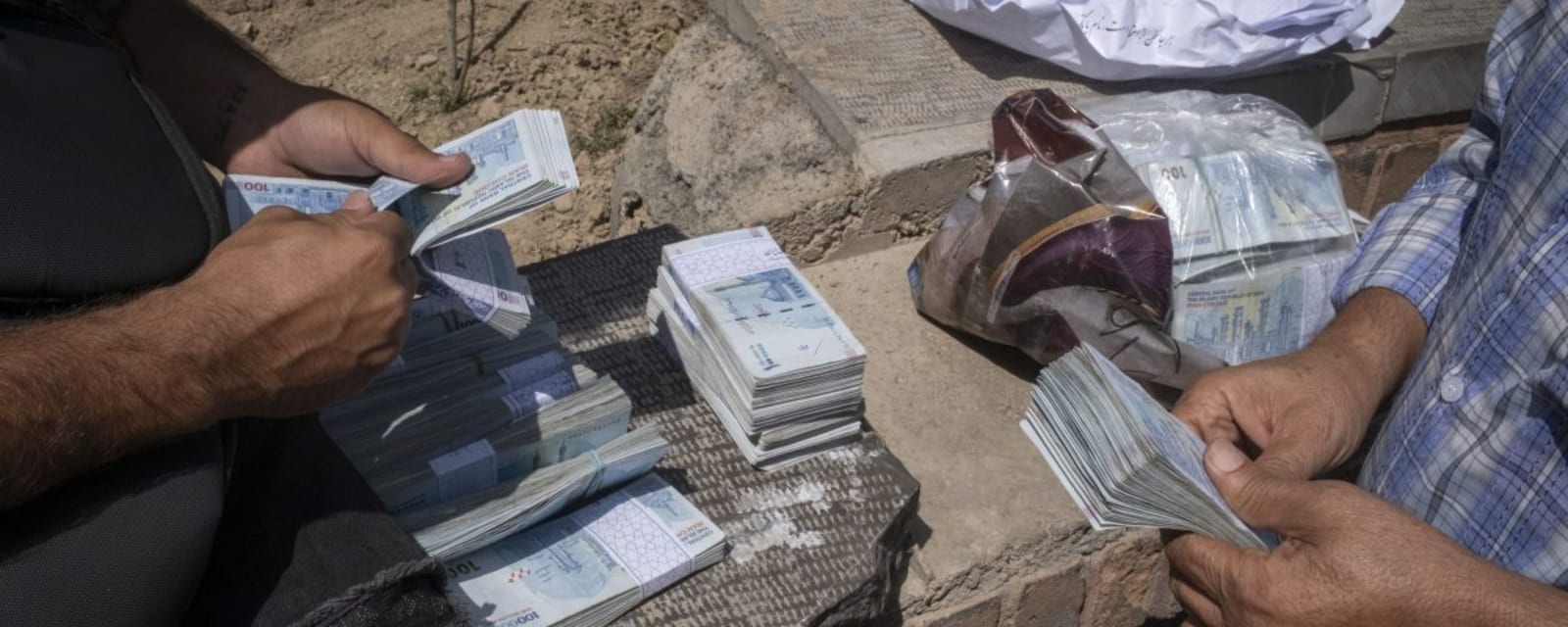
Iran's economy is in freefall as the rial enters a terminal depreciation cycle, hitting 2.5 million to the dollar on October 1, 2026, following a previous record low of 2.2 million set just one month earlier on September 2. The currency has lost 170% of its value since August 2025 and depreciated dramatically from 1.5 million rials per dollar at the start of 2026, underscoring the speed and severity of the economic collapse. The trajectory is stark when placed in historical context: the rial traded at 35,000 to the dollar in January 2018, indicating an 8,000% devaluation over an eight-year period.
The immediate driver is a liquidity crisis created by the U.S. naval blockade, which has crippled Iran's primary revenue source. Iran loaded no oil at its export terminals in September 2026—the first month without any crude exports since the 1979 Islamic Revolution, according to Homayoun Falakshahi, head of crude oil analysis at Kpler. Concurrently, Iran's Persian Gulf neighbors have expanded their own oil shipments under U.S. military protection, eroding Tehran's control over the Strait of Hormuz. Beyond export collapse, Iran faces a compounding balance-of-payments trap: it cannot import essential goods including fuel by sea due to blockade restrictions, land-based trade routes are congested, and critically, the regime cannot collect payment from foreign customers for goods already supplied. As one source described the predicament: "We can't even get our own money out of a country to which we've supplied goods, let alone using those funds to pay someone else in another corner of the world."
The macroeconomic backdrop is severe. Inflation has spiraled to near 90%, GDP is projected to contract 5.4% in 2026, unemployment has jumped significantly, and the government has implemented energy rationing. Supreme Leader Ayatollah Mojtaba Khamenei has publicly expressed concern about "social cohesion" amid the economic deterioration, a rare acknowledgment of regime fragility. This economic pressure follows a late-2025 currency crisis that sparked widespread protests, which were suppressed through violent crackdowns in early 2026. The renewed rial collapse since the February 2026 U.S.-Israel military operations commenced has reignited concerns that social unrest could resurface, creating compounding political and economic risks for the Tehran regime.
Go deeper than the headline
Research every firm in this story, track the ones that matter and get the daily briefing — free for 7 days.