
Key Takeaways
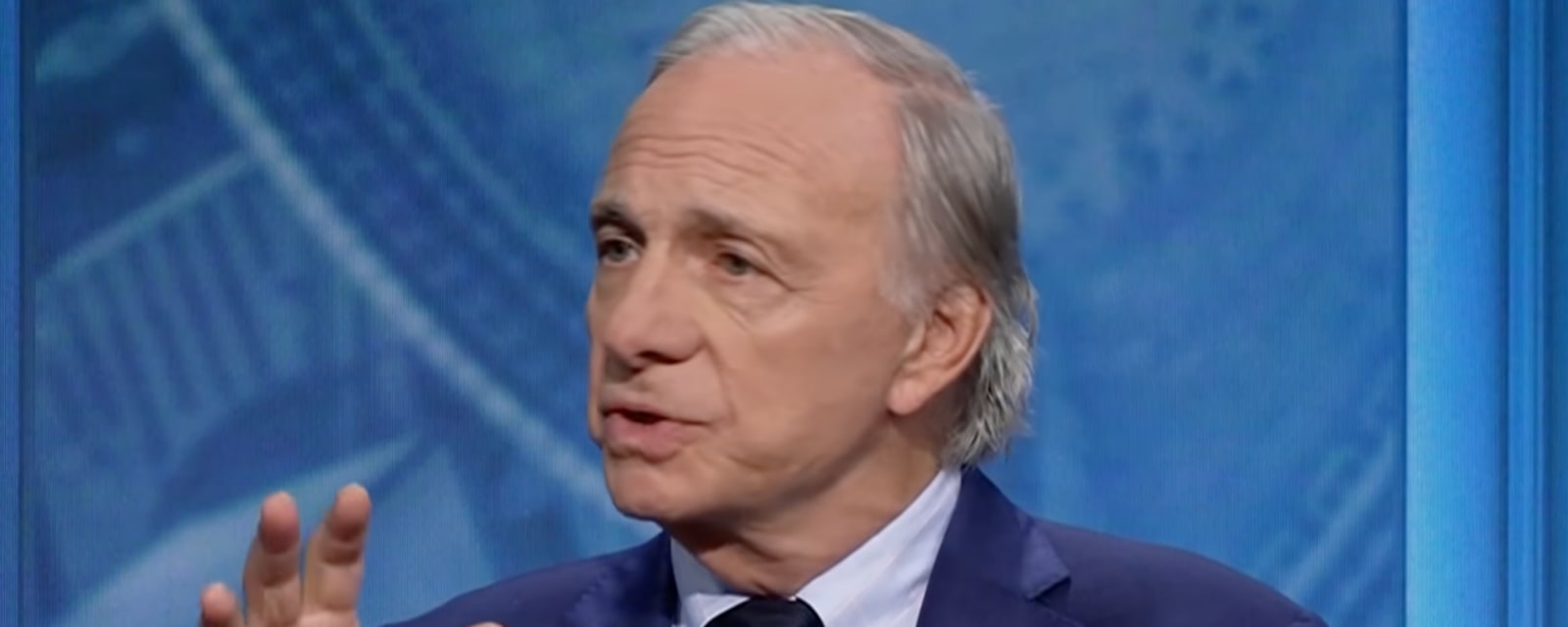
- • Ray Dalio said in an Oct. 6 Bloomberg Television interview that rising bond yields have pushed expected returns of stocks and bonds closer together, narrowing the equity risk premium.
- • Dalio cites two forces compressing the cushion: stock prices rising faster than expected earnings growth, and falling bond prices lifting yields and expected bond returns.
- • Dalio flags U.S. fiscal strain, with Washington spending about US$7 trillion a year against roughly US$5 trillion in revenue, and forecasts a U.S. debt crisis "within the next three years."
- • Market concentration is a key risk: the 10 largest S&P 500 companies account for roughly 37% of the index as of mid-2026, according to the article's SPDR S&P 500 ETF holdings data.
- • Dalio is not predicting a crash and is not recommending a wholesale shift from equities to bonds; he points to AI-driven cost-cutting and revenue growth as potential sources of future gains.
Summary
Ray Dalio, founder of Bridgewater Associates, said in an Oct. 6 interview on Bloomberg Television that rising bond yields are narrowing the gap between expected returns on stocks and bonds. He described the "cushion between those two expected returns has narrowed," which makes equities less attractive to some investors. The equity risk premium, the extra return investors demand for holding stocks over bonds, is being squeezed from both sides: stock prices are climbing faster than expected earnings growth, and bond prices are falling, pushing yields and expected bond returns higher.
Dalio's concern begins with U.S. government debt. In his interview with Bloomberg's Haslinda Amin, he said Washington spends about US$7 trillion annually while collecting about US$5 trillion. According to the U.S. Department of the Treasury, the national debt passed US$40 trillion in August 2026. As of Oct. 5, the yield on 30-year Treasury bonds reached 5.66%. Dalio expects a U.S. debt crisis "within the next three years," presenting this as a forecast rather than a certainty.
Dalio also points to concentration in the equity market. A small group of AI-related stocks is driving index performance, and some large technology spenders that once relied on equity issuance are turning to debt. Dalio is not predicting a crash; his point is that a thinner cushion leaves less room for error if AI profits disappoint or yields continue to rise.
The article argues Canadian investors are exposed as well, since holders of S&P 500 or Nasdaq ETFs, or Canadian equivalents, gain indirect exposure to the same AI megacaps. Canada's market carries its own concentration: financials make up 37.5% of the S&P/TSX 60, with energy at 17.4% and materials at 16.7%, according to a March 2026 Global X portfolio summary. The Government of Canada 10-year yield was 3.92% as of Oct. 6, according to the Bank of Canada, and the FTSE Canada Universe Bond Index lost 11.69% in 2022, illustrating that bonds carry price risk when yields rise.
Dalio does not advocate dumping equities. He suggests the next gains may come from companies using AI to reduce costs or grow revenue, which he described as businesses that have "been under looked." The article's practical takeaways for investors include reviewing overlapping top-10 holdings across ETFs, rebalancing within registered accounts, matching bond duration to time horizons, and holding near-term withdrawals in cash.
Go deeper than the headline
Research every firm in this story, track the ones that matter and get the daily briefing — free for 7 days.