
Key Takeaways
- • Klaas Knot, a frontrunner to succeed Christine Lagarde as ECB president, told Pensions & Investments that funded pension systems are essential because the Capital Markets Union cannot be achieved "without capitalists."
- • Knot warned that private credit is "probably the next shoe to drop," citing its lack of experience through a major downturn and the risk of pro-cyclical behavior and fire sales in distressed debt.
- • Knot said the illiquidity premium in private markets is "the reward for opacity," and argued that pension funds should not be categorically excluded from private markets but must understand what they are investing in.
- • Lagarde announced she will step down in February 2027, nine months before the end of her eight-year term, with the European Council to select her successor, expected to take office February 7.
Summary
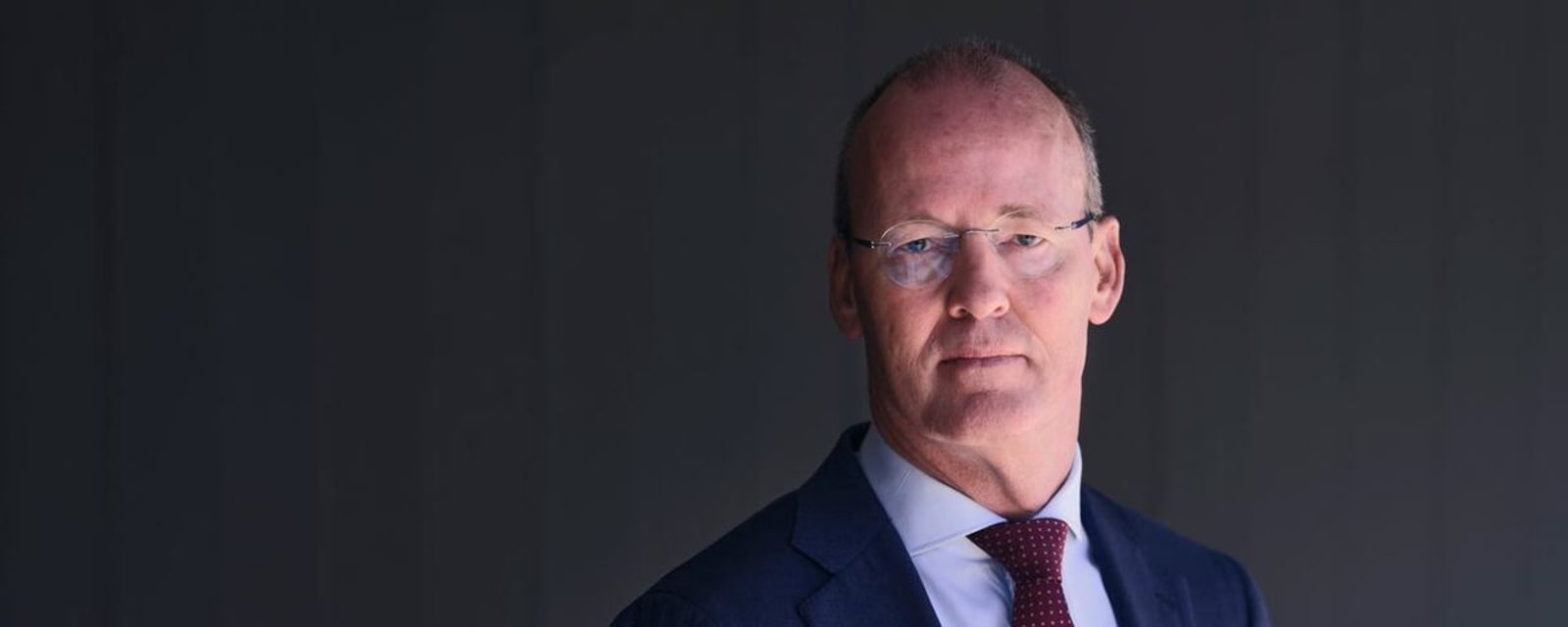
Klaas Knot, one of the frontrunners in the race to become the next president of the European Central Bank, outlined his views on pension reform, financial stability and private markets in an interview ahead of his keynote at the Pensions & Investments WorldPensionSummit. The interview followed the announcement from current ECB President Christine Lagarde that she would step down in February 2027, nine months ahead of the scheduled end of her eight-year term. The European Council will choose her successor, who is expected to take office on February 7, according to Pensions & Investments.
Knot brings substantial institutional credentials to the discussion. He chaired the Financial Stability Board from 2021 to 2025 and served as president of De Nederlandsche Bank from 2011 to 2025. He has also been a member of the ECB's Governing Council and General Council, the European Systemic Risk Board, the International Monetary Fund's board of governors and the Bank for International Settlements board of directors.
On pensions, Knot supported the Dutch shift from defined benefit to collective defined contribution, a change intended to ease the burden on the system, address concerns over insufficient reserves and reflect a more mobile labor force. "In my view, you need to have funded pension systems — definitely now that interest rates exceed growth rates again. We want to have a Capital Markets Union (in Europe,) but we can't have that without capitalists," he said. He argued that retirement savings should capture the risk premia available in risk-bearing assets, with professional asset managers making those allocation decisions on behalf of individuals. He described a public-private partnership model in which government designs the system structure, while the industry offers the best default options. He added that financial education alone is insufficient, and that policymakers must also consider adequacy, warning of likely undersaving if retirement is left wholly to individuals.
On private markets, Knot said private credit is "probably the next shoe to drop," while questioning how severe the problems could be. He noted the asset class has been a "fair-weather" strategy with no major downturn to date, meaning managers have no experience handling distressed debt. He also questioned whether private credit is suitable for retail investors, arguing that it is better suited to professionally governed systems with large mandates, which can overcome information asymmetries. "I would not want to categorically exclude pension funds from going into private markets — but they need to know what they're going into," he said.
Go deeper than the headline
Research every firm in this story, track the ones that matter and get the daily briefing — free for 7 days.