
Key Takeaways
- • Meeting an absolute return objective while keeping pace with a market benchmark is achievable, but requires governance, agility and a level of active risk that many asset owners do not currently allow themselves, according to the Fiduciary Investors Symposium at the University of Oxford.
- • Investors' own constraints, rather than market conditions alone, are making return targets and benchmarks harder to meet, per the symposium discussion reported by Top1000funds.com.
- • Large pension and sovereign wealth funds cannot wait for risks to become visible before planning responses, because prices may already have moved or portfolios may be too large to shift quickly.
- • Government debt, inflation and a changing monetary regime leave policymakers with few options, but investors can still build portfolios designed to hold up under whichever path is taken.
Summary
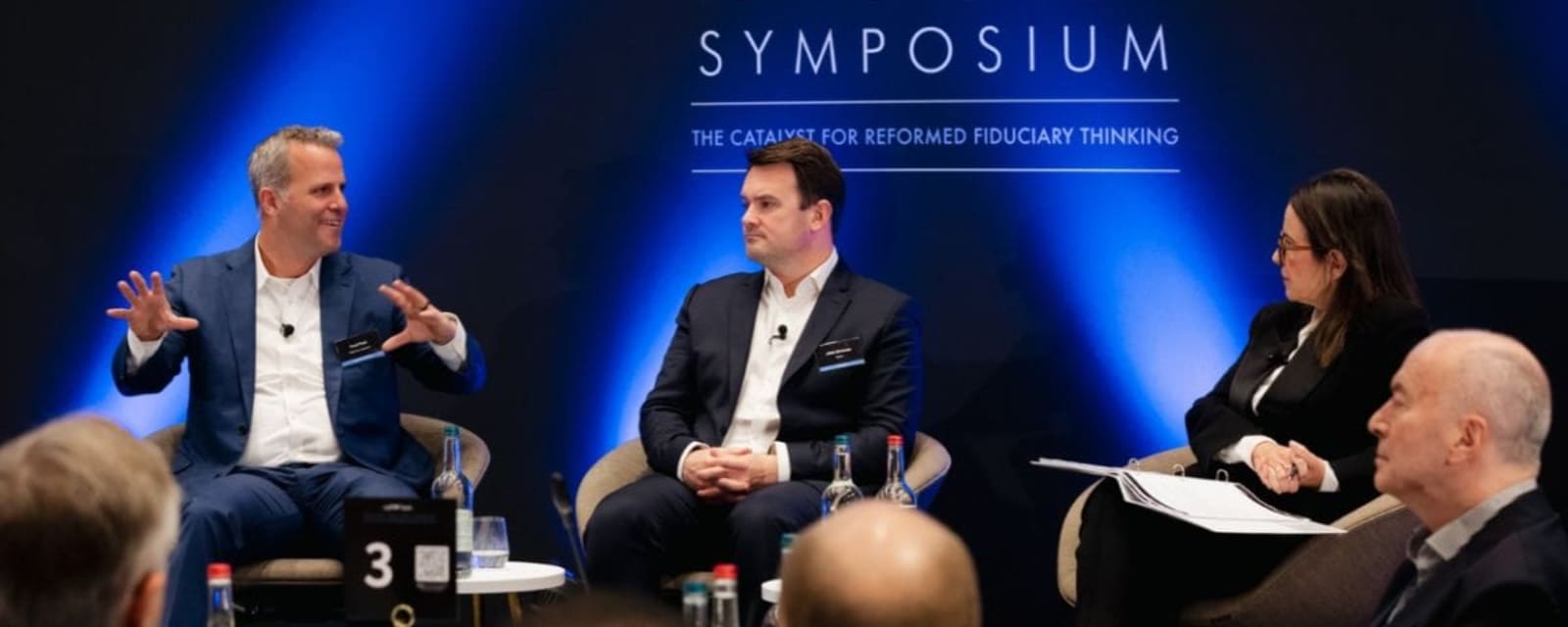
Speakers at the Fiduciary Investors Symposium (FIS 2026) at the University of Oxford argued that asset owners can meet an absolute return objective and keep pace with a market benchmark at the same time, but only with stronger governance, greater organisational agility and a higher level of active risk than many institutions currently permit themselves. The point, as reported by Top1000funds.com, frames the problem as one of investors' own constraints rather than solely external market conditions.
A related session covered scenario planning for the largest funds. According to the symposium, pension and sovereign wealth funds cannot wait for a risk to become visible before responding, since by that point prices have often already moved or portfolios are too large to reposition quickly. Big asset owners therefore need to develop the capability to plan for scenarios that have not yet emerged.
On the policy backdrop, the symposium heard that government debt, inflation and a changing monetary regime leave policymakers with a narrowing set of options. Investors, however, can still construct portfolios intended to withstand whichever path policy takes, the forum was told.
Other sessions addressed liquidity and ethics. Coverage of the event noted that slow distributions from private markets require active liquidity management. Separately, Edward Harcourt, professor of philosophy and director of Oxford's Institute for Ethics in AI, told the symposium that a model trained on a single set of human values cannot provide the diversity of values an open society depends on.
Go deeper than the headline
Research every firm in this story, track the ones that matter and get the daily briefing.