
Key Takeaways
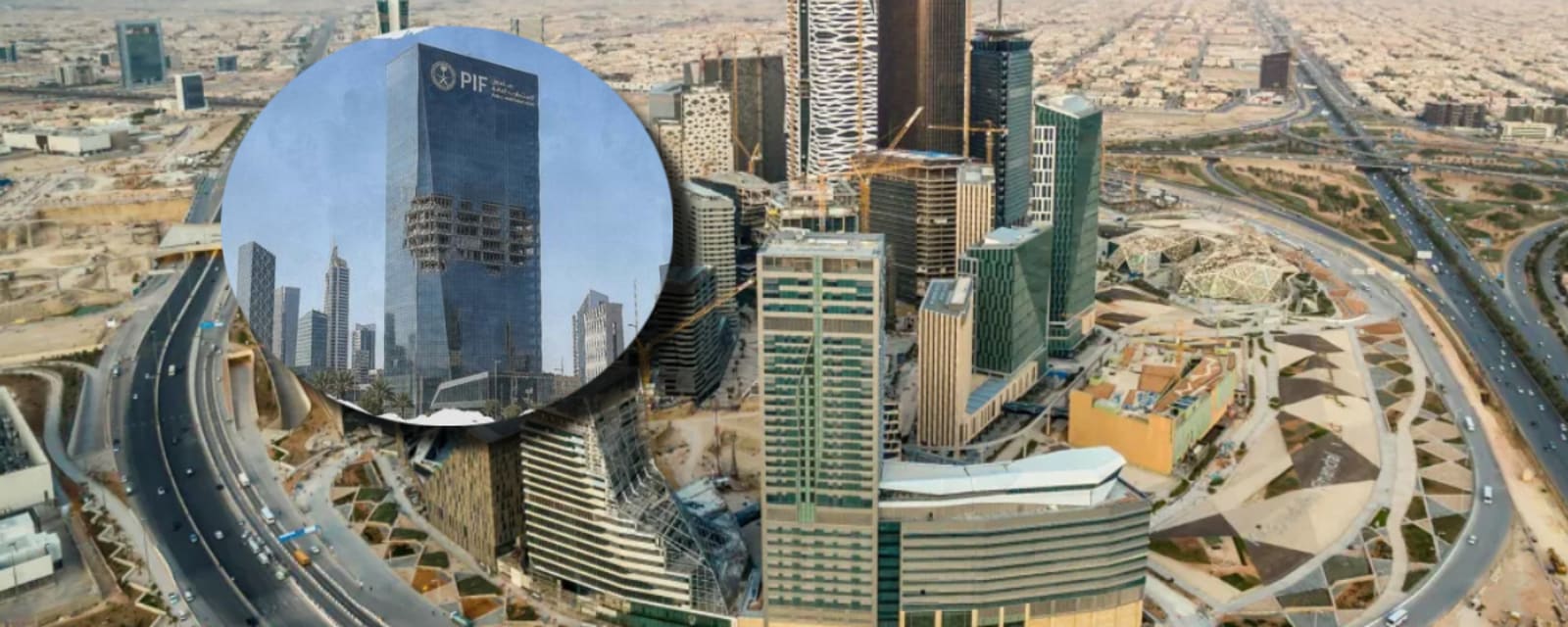
- • A suspected Houthi missile struck PIF Tower in Riyadh's King Abdullah Financial District on Thursday, November 19, damaging the headquarters of the Public Investment Fund, Saudi Arabia's sovereign wealth fund with nearly $1 trillion in assets, according to Reuters.
- • Shattered windows across seven to eight floors and bent sections of the exterior metal facade were reported, with no immediate casualties.
- • The strike is the second major attack on a landmark in Riyadh's financial district in under two weeks, following falling debris from a Houthi attack that damaged a Saudi Aramco building on November 8.
- • The attack came shortly before 5am local time after an emergency alert, and authorities closed district entrances and evacuated the area.
- • The incident raises fresh security concerns for Saudi financial and economic infrastructure as Houthi attacks on airports, oil facilities and strategic sites intensify.
Summary
Saudi Arabia's tallest skyscraper, PIF Tower, was damaged in a suspected Houthi missile attack on Thursday, November 19, in a further escalation of the conflict between the Iran-backed Yemeni group and the kingdom. The building houses the headquarters of the Public Investment Fund (PIF), the kingdom's sovereign wealth fund with nearly $1 trillion in assets, which is chaired by Crown Prince Mohammed bin Salman.
According to Reuters, citing three sources familiar with the incident, the building was struck by an incoming Houthi missile. The strike shattered windows across seven to eight floors and bent sections of the exterior metal facade. The attack occurred shortly before 5am local time, after an emergency alert was sent to residents' mobile phones warning of a potential aerial threat. A loud explosion was heard across the capital. Authorities closed entrances to the King Abdullah Financial District and evacuated people from the area, while ambulances and fire engines were deployed. No immediate casualties were reported.
Saudi military spokesperson Major General Turki Al-Malki said the kingdom's air defences had engaged a missile threat targeting Riyadh. The Saudi-led coalition confirmed that debris had fallen and caused material damage but did not initially identify the affected building.
Thursday's incident is the second major attack on a landmark in the financial district in less than two weeks. On November 8, falling debris from a Houthi attack damaged a building belonging to state-owned oil giant Saudi Aramco. The strikes raise concerns about the security of the kingdom's financial and economic infrastructure as Houthi attacks on airports, oil facilities and strategic locations intensify.
The kingdom has also faced repeated missile and drone attacks on its aviation infrastructure. Riyadh's international airport was shut after 20 missile and drone attacks within 10 days in early October, which reportedly killed at least 17 people and injured more than 300. The airport partially reopened toward the end of October, with flight operations gradually returning to normal.
Go deeper than the headline
Research every firm in this story, track the ones that matter and get the daily briefing — free for 7 days.